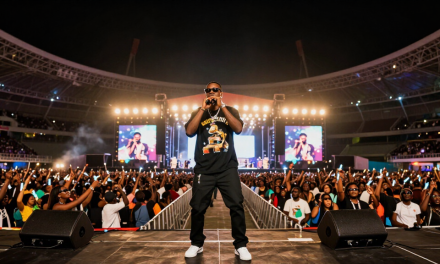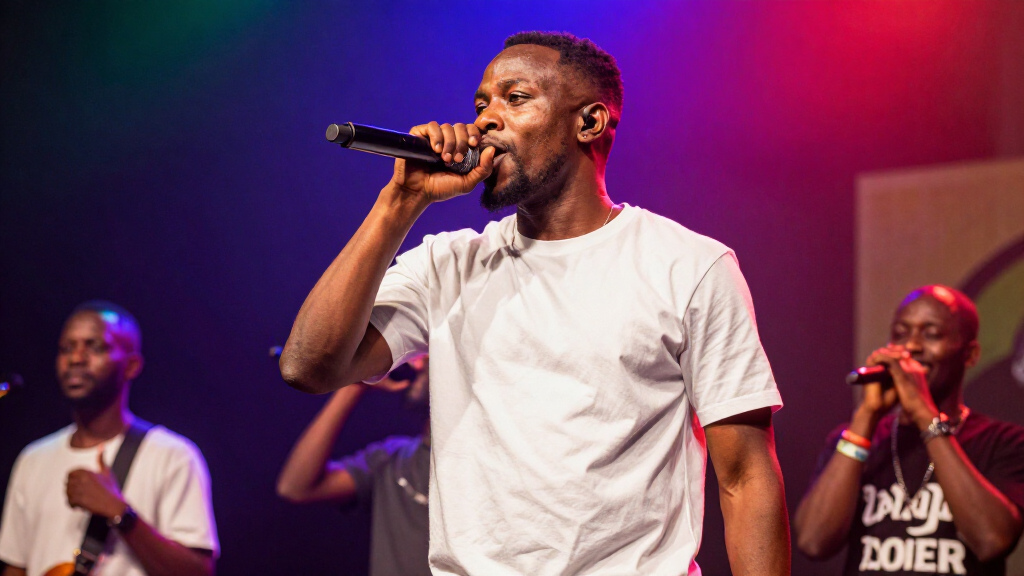
Folarin Falana — known professionally as Falz — occupies a position in Nigerian entertainment that very few artists have achieved or even attempted: commercially successful rapper, licensed attorney, and the most prominent musical voice of Nigerian political protest in his generation. His net worth is estimated at between $5 million and $7 million by multiple Nigerian entertainment industry sources, with $6 million representing the frequently cited midpoint. That wealth reflects more than a decade of hit records, acting work, endorsement deals, and the kind of cultural authority that turns an artist into an institution.
Walk Through the Article
Falz Quick Facts
| Full Name | Folarin Falana |
|---|---|
| Date of Birth | October 27, 1990 |
| Age | 35 years old |
| Nationality | Nigerian |
| Profession | Rapper, Actor, Lawyer (called to bar 2012) |
| Net Worth | $5–7 Million (2026 estimate, ~$6M midpoint) |
| Known For | “This Is Nigeria,” “Wehdone Sir,” #EndSARS leadership, The Feast (2025) |
Frequently Asked Questions About Falz
What is Falz’s net worth in 2026?
Falz’s net worth is estimated at between $5 million and $7 million as of 2026, with $6 million the figure most commonly cited by Nigerian entertainment sources. His income streams include music, acting, brand endorsements, and live performances. All figures are estimates — his personal finances are not publicly disclosed.
What is Falz’s real name?
Falz’s real name is Folarin Falana. He is the son of Femi Falana, one of Nigeria’s most prominent human rights lawyers, and Funmi Falana, also a practicing attorney. The Falana name carries significant weight in Nigerian public life independent of Folarin’s music career.
Is Falz actually a lawyer?
Yes. Falz was called to the Nigerian Bar in 2012 after completing his legal education. He is a qualified attorney, though he has not practiced law actively, choosing instead to pursue his music and acting careers. His legal background informs his politically engaged approach to songwriting and public activism.
What is “This Is Nigeria” about?
“This Is Nigeria,” released in 2018, is Falz’s pointed adaptation of Childish Gambino’s viral “This Is America,” reframed to critique social, political, and economic dysfunction in Nigeria. The song and its video drew international attention, including coverage from CNN, making it one of the most discussed protest songs to emerge from the continent in the 2010s.
What role did Falz play in the #EndSARS movement?
Falz was among the most visible public figures in Nigeria’s #EndSARS protest movement of 2020, which called for the dissolution of a controversial police unit accused of brutality and extortion. He spoke at rallies, used his social media platforms to amplify the movement’s demands, and faced the risks that came with prominently opposing state power. He has since been described by media including Daily Maverick (February 2026) as one of the artists keeping the tradition of Nigerian protest music alive.
What is Falz’s most recent album?
The Feast, released in 2025, is Falz’s sixth studio album. The project continues his tradition of blending commercially accessible hip-hop production with lyrics that engage directly with Nigerian social and political realities. It received strong critical attention from outlets covering both Nigerian pop music and African political culture.
What movies or TV shows has Falz appeared in?
Falz has built a parallel career as an actor in Nollywood productions and has appeared in various Nigerian films and television projects. Acting represents a secondary but meaningful income stream alongside his music career, and his on-screen presence has helped extend his fan base beyond the core hip-hop audience.
Who are Falz’s parents?
Falz’s father is Femi Falana (SAN), a Senior Advocate of Nigeria and one of the country’s most prominent human rights lawyers. His mother, Funmi Falana, is also a lawyer. Growing up in a household defined by legal advocacy and civil rights work clearly shaped Falz’s worldview and his conviction that artists have an obligation to engage with politics.
How does Falz make his money?
Falz’s income is estimated to come from music streaming and sales, live performances, acting work, brand endorsements, and YouTube monetization. His high profile as both a musician and a political figure makes him commercially attractive to brands seeking credibility with educated, politically aware Nigerian consumers.
How Does Falz Make Money?
| Income Source | Estimated Amount | Type | Notes |
|---|---|---|---|
| Music Streaming & Sales | $400,000–$700,000 | Active/Passive | Deep catalogue with consistent international streams; “This Is Nigeria” alone generates ongoing royalties |
| Acting & Film | $200,000–$400,000 | Active | Multiple Nollywood projects; established screen presence |
| Live Performances | $300,000–$600,000 | Active | Headline bookings in Nigeria and across the African diaspora |
| Brand Endorsements | $200,000–$500,000 | Active | Reported partnerships with major Nigerian and international brands |
| YouTube Monetization | $50,000–$100,000 | Passive | Consistent views across music and commentary content |
| Estimated Total Net Worth | ~$6 Million (2026 midpoint estimate) | ||
Career Overview
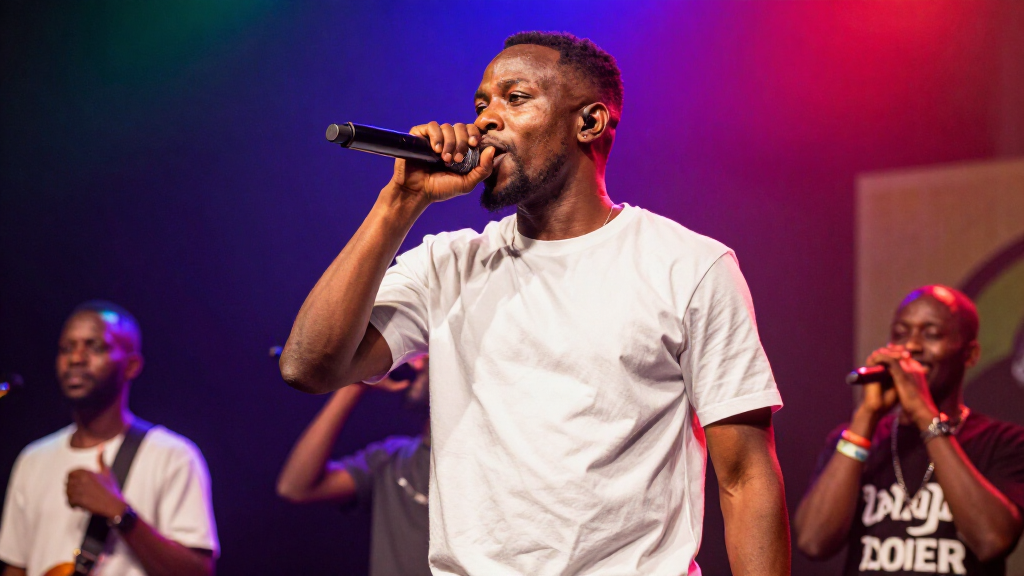
Falz began releasing music professionally in the early 2010s, quickly establishing a style that set him apart from the majority of Nigerian hip-hop acts. Where many of his peers leaned into the aspirational escapism that dominated Afropop during that period — cars, money, international travel — Falz introduced a comic, satirical voice that observed Nigerian life from street level and found both humor and horror in what it saw.
His early mixtapes and EPs built a loyal following among university-educated Nigerians who recognized in his rhymes the absurdities and frustrations of daily life in Lagos: the traffic, the corruption, the gap between official narratives and lived reality. His debut album arrived to strong reception, and subsequent projects continued to build his reputation as a rapper who could hold a crowd and hold a mirror to society in the same verse.
“Wehdone Sir” (2017) captured a specific kind of Nigerian sycophancy — the reflexive deference to power and money — in a hook so catchy that it lodged itself in the popular consciousness even among people who do not typically follow hip-hop. It was precisely this ability to translate political observation into infectious, shareable music that distinguished Falz from more overtly preachy protest artists.
“This Is Nigeria” arrived in 2018 and changed the scale of the conversation entirely. Released as a direct response to Childish Gambino’s “This Is America” — borrowing its visual language and structural conceit while recontextualizing every image for a Nigerian audience — the song addressed religious violence, political dysfunction, poverty, and the performative cheerfulness that Nigerians are often expected to maintain in the face of structural crisis. CNN covered it. International critics praised it. And Falz’s standing as a political artist of consequence was confirmed beyond Nigerian borders.
His acting career developed in parallel, with appearances in Nollywood productions that demonstrated genuine screen presence and broadened his appeal to audiences who might not follow his music closely. His dual identity — rapper and actor — has also made him a more versatile brand partner than most Nigerian musicians.
By 2020, the #EndSARS protests brought Falz into the most consequential public role of his career. He was not simply a celebrity lending his name to a movement — he was an active participant who understood the political and legal dimensions of what was being demanded, and who was willing to stand in the streets with protesters and face the consequences. Daily Maverick, writing in February 2026, cited him specifically as one of the forces keeping alive the tradition of Nigerian political music that stretches back to Fela Kuti.
The Feast (2025), his sixth studio album, demonstrated that a decade into his career he remains willing to take creative risks and that his audience has matured alongside him.
Early Life and Background
Folarin Falana was born on October 27, 1990, in Lagos State, Nigeria. His upbringing was shaped by one of the most remarkable households in Nigerian public life. His father, Femi Falana, is a Senior Advocate of Nigeria (SAN) — a title awarded to the country’s most distinguished legal practitioners — and is widely regarded as one of the foremost human rights lawyers in West Africa. His mother, Funmi Falana, is also a practicing attorney. Growing up with two parents who had dedicated their professional lives to fighting injustice through the law gave Folarin an education in political reality that no university course could replicate.
He pursued his own legal education, completing the training required to be called to the Nigerian Bar, which he was in 2012. That formal qualification reflects genuine commitment — law school in Nigeria is rigorous and demanding, and completing it while developing an artistic career required discipline and time management beyond what most people his age were managing.
He chose not to practice law actively, opting instead for music and acting. But the legal training was not wasted — it gave him a framework for understanding how power operates, what rights citizens possess, and what forms of resistance the law permits and does not permit. That knowledge shows up in his music in ways that go beyond sloganeering.
Personal Life
Falz maintains a relatively private personal life in the conventional celebrity sense, but is exceptionally public in his political and civic life — a distinction that says something about his values. He is vocal on social media about issues of governance, accountability, and justice in Nigeria, and he has been willing to attach his name to causes and movements that carry real personal and professional risk.
His relationship with his father, Femi Falana, is clearly formative — the two are reported to be close, and Femi Falana has at times publicly supported his son’s activism. Having a father who has spent decades fighting Nigeria’s power structures through the courts likely gives Falz both a template and a sense of purpose that many artists his age lack.
He is known to be community-minded beyond his public activism, participating in charitable initiatives and using his platform for causes beyond self-promotion. That reputation for integrity — rare and commercially valuable in the Nigerian entertainment market — is part of what makes him attractive to brands that want authentic cultural endorsement rather than paid visibility.
Little-Known Facts About Falz
- Falz was called to the Nigerian Bar as a qualified attorney in 2012, though he has not actively practiced law — a decision that reflects a deliberate choice of art over a conventional professional path, not an inability to pursue either.
- His father Femi Falana holds the rank of Senior Advocate of Nigeria (SAN), one of the highest distinctions in the Nigerian legal profession, making the Falana family one of the most legally accomplished in the country.
- “This Is Nigeria” (2018) was specifically noted by CNN in its international coverage — making Falz one of a small number of Nigerian artists to receive that kind of mainstream Western media attention for a song with explicitly political content.
- Daily Maverick, writing in February 2026, described Falz as one of the artists most directly responsible for keeping alive the tradition of Nigerian protest music — a lineage often traced back to Fela Kuti.
- His sixth studio album, The Feast (2025), continues a body of work that has never shied away from naming specific grievances and specific targets in Nigerian public life — an approach that carries professional risks that many commercially successful artists in Nigeria have been unwilling to take.
https://www.youtube.com/watch?v=ZMp_NIDtbL4