
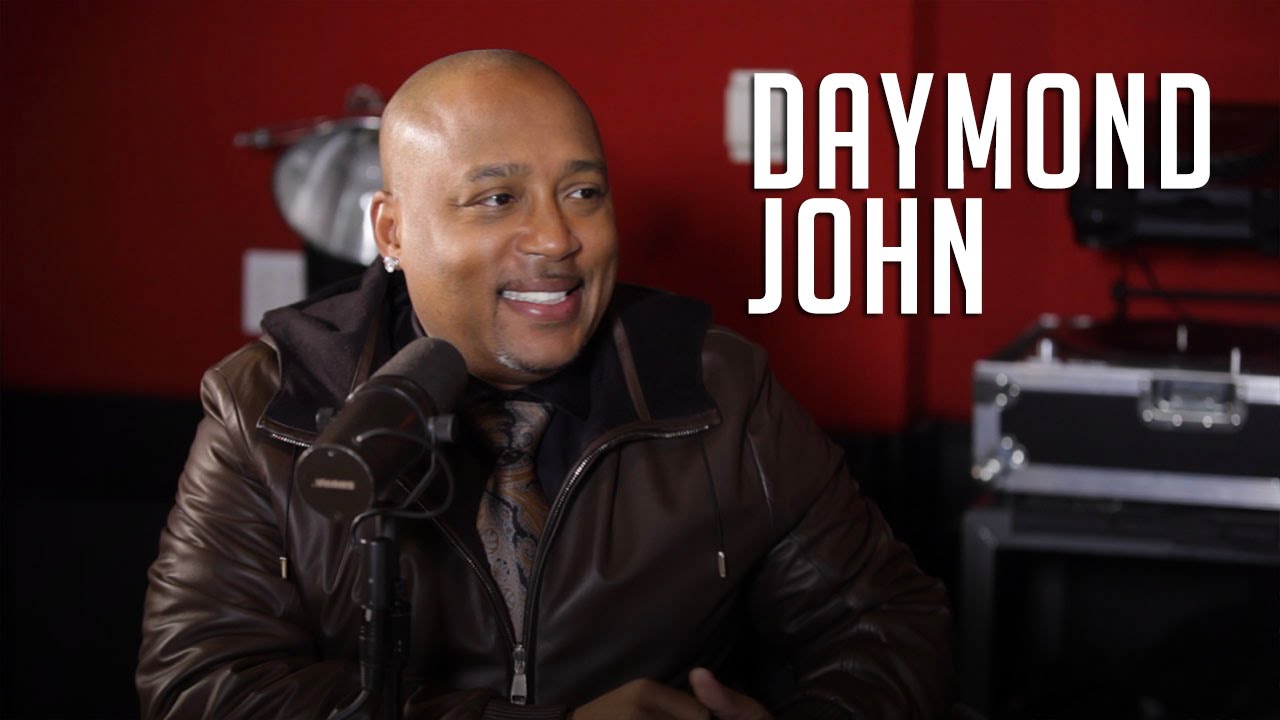
Daymond John’s journey from a working-class neighbourhood in Hollis, Queens to building a $6 billion global fashion brand on a $40 budget is one of the most extraordinary entrepreneurial stories of the modern era. The founder of FUBU — an acronym for “For Us, By Us” — John bootstrapped a street-wear empire from his mother’s dining room table, faced rejection from 27 banks, and ultimately created a cultural phenomenon that redefined urban fashion worldwide. Today, his net worth sits at approximately $350 million.
Walk Through the Article
Daymond John Quick Facts
| Full Name | Daymond Garfield John |
|---|---|
| Date of Birth | February 23, 1969 |
| Age | 57 years old |
| Nationality | American |
| Birthplace | Brooklyn, New York (raised in Hollis, Queens) |
| Net Worth (2026) | $350 million |
| Profession | Entrepreneur, Fashion Designer, TV Investor, Author |
| Known For | FUBU Fashion, Shark Tank, “The Power of Broke” |

How FUBU Became a $6 Billion Brand
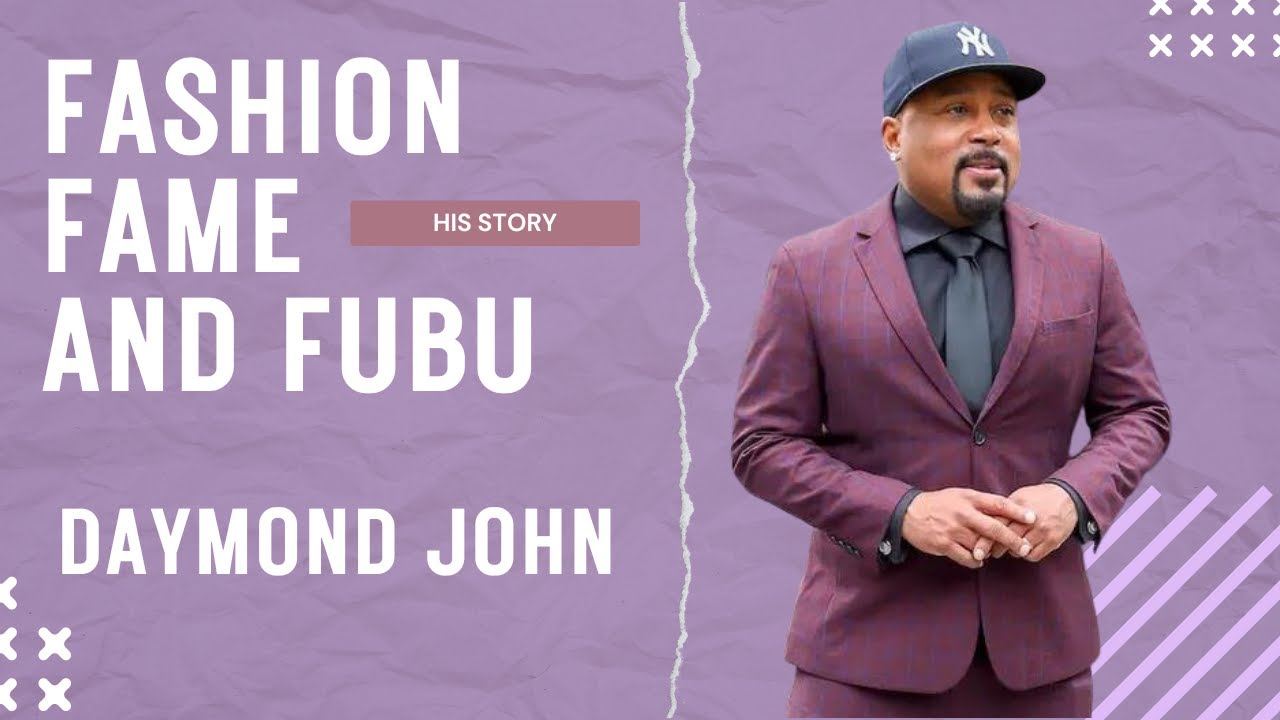
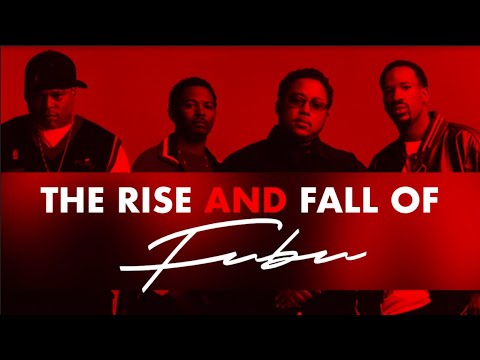
Daymond John started FUBU in 1992 with a $40 investment in fabric to make hats. Working out of his mother’s home in Hollis, Queens — with his mother taking out a second mortgage on the family home to fund the growing operation — John and three childhood friends sewed, marketed, and sold FUBU directly to their community. The brand resonated deeply because it was authentically made by and for the hip-hop community.
The breakthrough came through an audacious move: John persuaded LL Cool J, a neighbour and emerging star, to wear a FUBU cap in a Samsung commercial and mouth the words “FUBU” on camera. The exposure was priceless. Major department stores began calling. By the late 1990s, FUBU had generated over $350 million in annual sales. At its peak, cumulative global sales surpassed $6 billion.
Major Income Sources
FUBU Licensing and Royalties: While FUBU’s heyday was the 1990s and early 2000s, the brand continues to generate licensing revenue globally. John has expanded into Asian markets where the FUBU name still commands significant recognition, particularly in South Korea and Japan. Licensing deals contribute an estimated $5–10 million annually.
Shark Tank Investments: Since joining the Shark Tank panel in Season 1 (2009), Daymond John has made over 100 on-air investments. His preferred sectors are fashion, apparel, and retail. Notable investments include Bombas (socks company valued at over $300 million), Bubba’s-Q Boneless Baby Back Ribs, and Bubba Rose Biscuit Company.
Speaking and Consulting: John is one of America’s most sought-after keynote speakers, commanding fees of $75,000–$150,000 per engagement. As a presidential ambassador for global entrepreneurship under multiple administrations, he has significant credibility and reach in the entrepreneurship space.
Books and Media: John has authored four books, the most popular being The Power of Broke (2016) and Rise and Grind (2018). Both hit the New York Times bestseller list. His podcast and digital media ventures add diversified passive income.
The Shark Group: Beyond his core business ventures, John runs The Shark Group, a brand consultancy and business incubation firm that manages his speaking, licensing, and investment activities as a cohesive enterprise.
Career Highlights Timeline
| Year | Milestone |
|---|---|
| 1992 | Founded FUBU with $40 and three friends in Hollis, Queens |
| 1993 | Mother mortgages family home to fund FUBU expansion |
| 1994 | LL Cool J wears FUBU in Samsung ad; brand goes national |
| 1998 | FUBU generates $350M+ in annual sales |
| 2001 | FUBU cumulative sales surpass $6 billion |
| 2009 | Joins Shark Tank Season 1 as a core investor |
| 2016 | Publishes The Power of Broke; becomes NYT bestseller |
| 2026 | Net worth estimated at $350 million |
Business Philosophy: The Power of Broke
Daymond John’s central philosophy is that financial constraint is not a barrier to success but an advantage. Having no money, he argues, forces entrepreneurs to be more creative, more resourceful, and more committed. “When you’re broke, you hustle harder,” he has said. “Rich people protect what they have. Broke people go get it.” This ethos permeates everything from his Shark Tank investment decisions to his speaking career.
Frequently Asked Questions About Daymond John
What is Daymond John’s net worth in 2026?
Daymond John’s net worth is estimated at approximately $350 million in 2026. His wealth comes from FUBU licensing and royalties, Shark Tank investments, speaking engagements, book royalties, and his consulting firm The Shark Group.
How did Daymond John start FUBU?
Daymond John started FUBU in 1992 with just $40 to buy fabric for hats. Working from his mother’s home in Hollis, Queens, he and three childhood friends hand-sewed and sold clothing to their community. His mother mortgaged the family home to fund expansion, and a fateful connection with LL Cool J propelled the brand to national recognition.
What does FUBU stand for?
FUBU stands for “For Us, By Us” — a declaration of Black cultural ownership in fashion. The name was deliberately chosen to signal that the brand was created by and for the hip-hop community, as a counterpoint to mainstream fashion houses co-opting urban styles.
How much did FUBU make in total sales?
At its peak, FUBU generated over $350 million in annual sales. Cumulative global lifetime sales are estimated to exceed $6 billion, making it one of the most commercially successful independent fashion brands of the 1990s and 2000s.
What businesses did Daymond John invest in on Shark Tank?
Daymond John has made over 100 Shark Tank investments, with notable ones including Bombas (now valued at $300M+), Bubba’s-Q Boneless Baby Back Ribs, and numerous fashion and apparel startups. He tends to focus on brands where he can leverage his retail and marketing relationships.
Is Daymond John a billionaire?
No. As of 2026, Daymond John’s estimated net worth is approximately $350 million — substantial, but well short of billionaire status. While FUBU generated $6 billion in cumulative sales, John did not retain that entire sum; much was paid to manufacturers, distributors, and retailers along the way.

