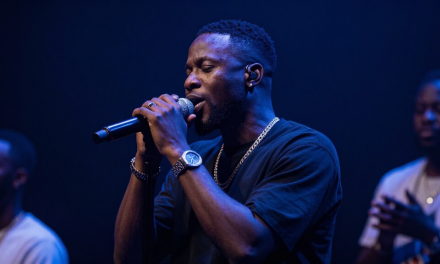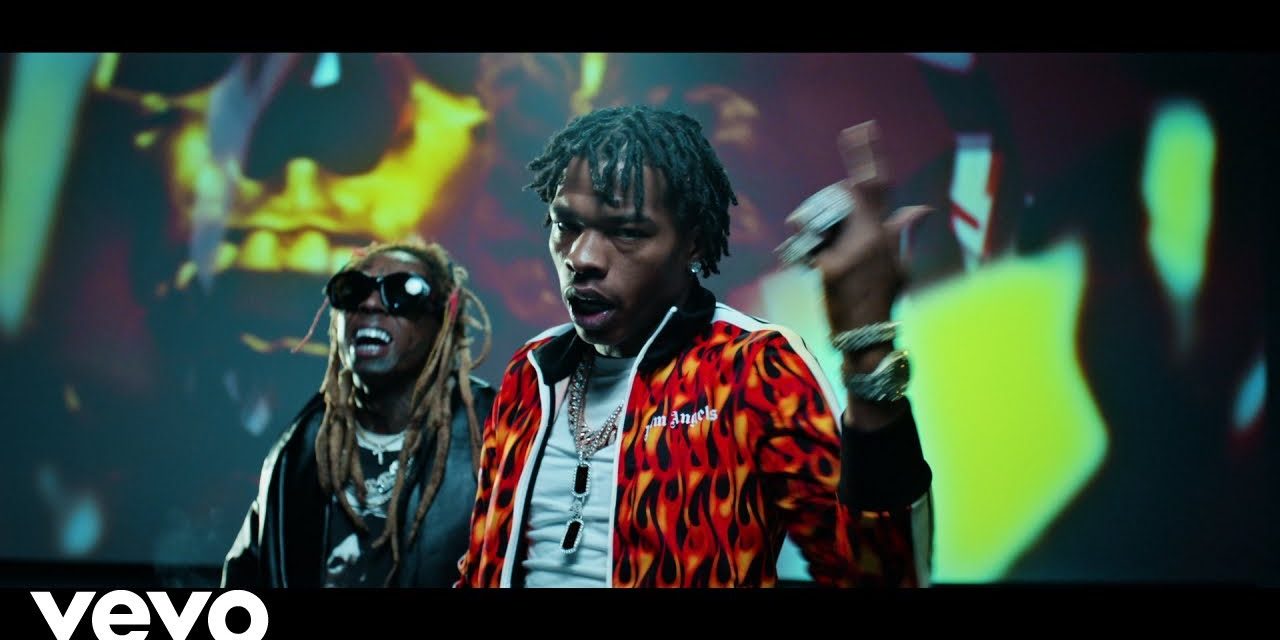
Lil Baby’s net worth is estimated at $100 million in career earnings as of 2026, making him one of the wealthiest young rappers from Atlanta’s Quality Control Records generation. Born Dominique Armani Jones on December 3, 1994, he went from federal prison at 18 to platinum records at 23 — a transformation driven by raw talent and shrewd business sense.
Walk Through the Article
Quick Facts
| Full Name | Dominique Armani Jones |
|---|---|
| Date of Birth | December 3, 1994 |
| Age | 31 years old |
| Birthplace | Atlanta, Georgia, USA |
| Nationality | American |
| Record Label | 4PF / Quality Control / Motown |
| Net Worth (2026) | $100M career earnings / ~$20M liquid |
| Known For | My Turn, Drip Too Hard, The Bigger Picture, 4PF |
Net Worth Breakdown
| Income Source | Estimated Amount | Type | Notes |
|---|---|---|---|
| Touring | $2-6M/year | Annual (personal) | Six-figure fees per show |
| Streaming & Royalties | $2-4M/year | Annual (personal) | My Turn 3x platinum; catalog royalties |
| 4PF Brand | $1-2M/year | Annual (gross) | Streetwear; NTWRK distribution |
| The Seafood Menu | $500K/year | Annual (gross) | Atlanta restaurant |
| Brand Partnerships | $500K-1M/year | Annual (personal) | Fashion, automotive |
| Estimated Net Worth | ~$100M Career / ~$20M Liquid (2026) | ||
Early Life: From Atlanta Streets to Recording Studio
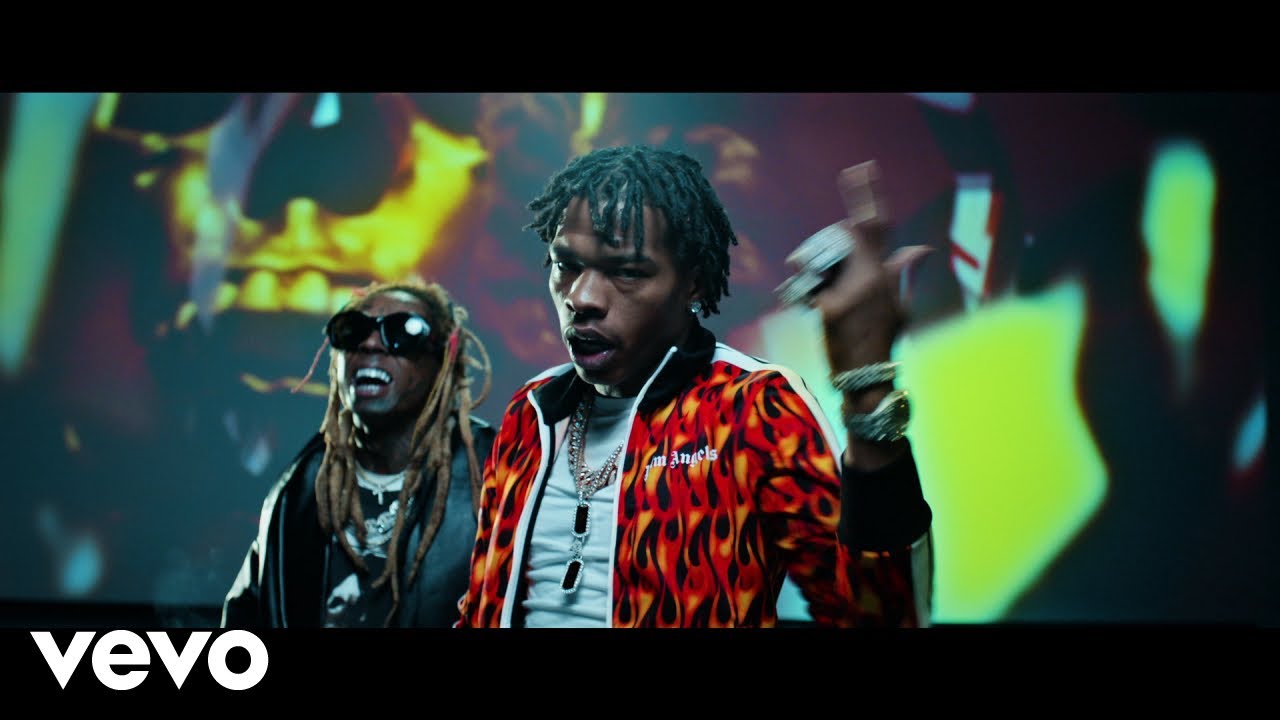
Dominique Jones grew up in Atlanta’s Westside — a neighborhood defined by street life and limited opportunity. After dropping out of school and getting involved in street activity, he was arrested at 18 for drug and firearms charges and served two years in Georgia state prison. Prison was the turning point — it showed him how close he was to losing everything before it even started.
Released in 2016, Jones was introduced to Young Thug through mutual contacts. Thug saw raw potential and connected him to Coach K and Pierre Thomas, co-founders of Quality Control Music. In just eight months of intensive studio time — with no prior recording experience — Lil Baby released his debut mixtape Perfect Timing (2017) to immediate regional buzz.
The speed of his development was unprecedented. Most rappers spend years developing their sound; Baby did it in months. His voice — melodic, introspective, built from real experience — stood out immediately in an Atlanta scene already crowded with strong voices. Quality Control signed him to a deal, and the machine was in motion.
Career Rise: My Turn Changes Everything
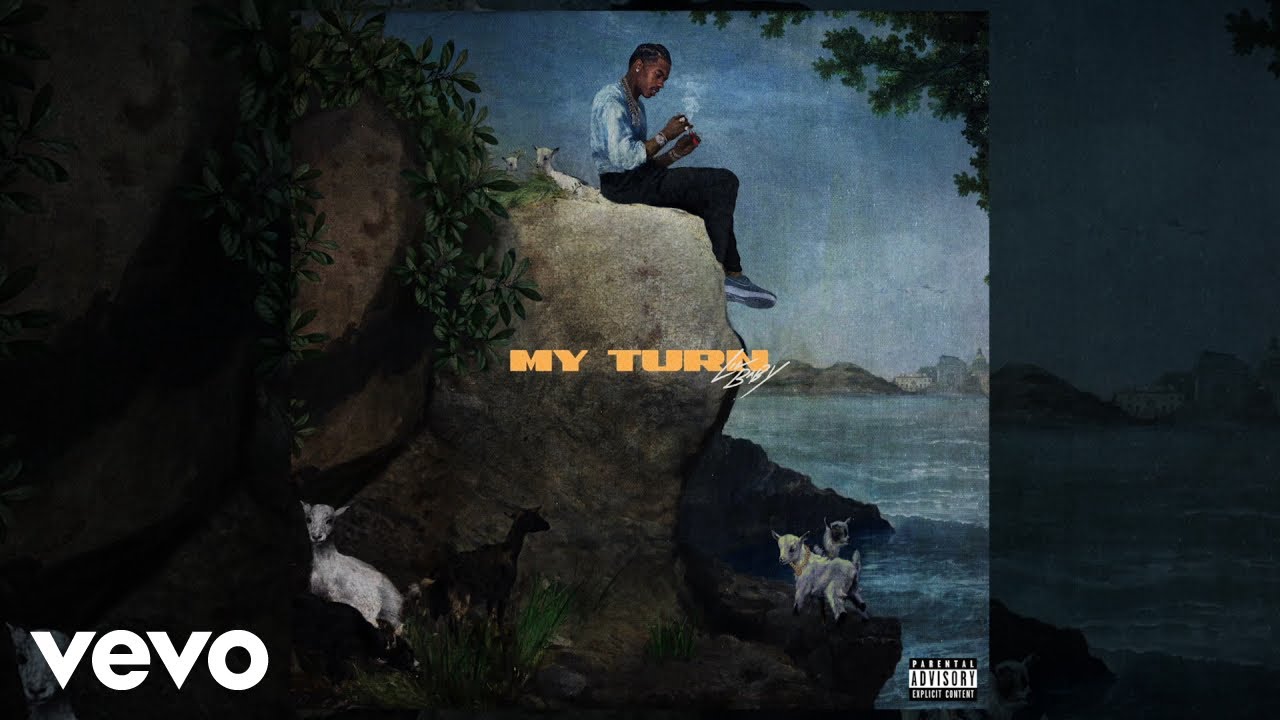
His debut studio album Harder Than Ever (2018) went platinum and included “Yes Indeed” with Drake. But My Turn (2020) was the album that put him in the conversation with hip-hop’s all-time greats. Released on February 28, 2020, it spent 5 consecutive weeks at #1 on the Billboard 200, was certified 3x platinum, and generated 6 simultaneous Hot 100 charting songs at its peak.
“The Bigger Picture,” released in response to George Floyd’s murder, earned Grammy nominations for Best Rap Performance and Best Rap Song. The song charted at #3 on the Hot 100 — a rare crossover of social commentary and commercial success. It demonstrated that Lil Baby’s reach extended well beyond street rap’s core audience.
“Do We Have a Problem?” with Nicki Minaj (2022) debuted at #1 on the Hot 100 — his first chart-topper, confirming that his commercial power had only grown in the two years since My Turn.
Business Ventures
Lil Baby’s 4PF brand began as a music moniker and evolved into a clothing line that routinely sells out within hours of new drops. His Atlanta restaurant, The Seafood Menu, has become a popular destination in the city. Through Quality Control’s Motown relationship, he benefits from label revenue sharing that provides financial stability beyond any single album cycle.
He has also made real estate investments in Atlanta and has been active in philanthropy — school supply drives, community donations, and paying restaurant bills for strangers. His community ties are genuine; unlike many artists who leave their hometown behind, Baby has stayed rooted in Atlanta.
Net Worth Over Time
In 2017, Lil Baby’s net worth was essentially zero. By 2019, post-platinum albums and first major tours: $4-5M. After My Turn and the pandemic touring drought: $8-15M by 2021. By 2023, compounding business and tour income pushed estimates to $20-100M depending on methodology. Career earnings include gross tour revenues and record advances; liquid net worth is lower after taxes and label splits.
Personal Life
Lil Baby has two sons — Loyal Armani Jones (mother: Jayda Cheaves) and Jason Jones (mother: Ayesha Howard). His highly publicized relationship with Jayda Cheaves, an Atlanta influencer and entrepreneur, included multiple breakups and reconciliations before settling into co-parenting. He is known for community generosity — anonymously paying bills and funding local initiatives in Atlanta’s Westside.
Little-Known Facts About Lil Baby
- He recorded his entire debut mixtape in 8 months with no prior studio experience — going from street life to a label deal in under a year.
- The 4PF acronym (4 Pockets Full) began as a personal financial motto before becoming a brand name and label imprint.
- His Grammy-nominated The Bigger Picture was written and released within 48 hours of George Floyd’s murder.
- He earns six figures per live show appearance — among the highest fees in hip-hop for his generation.
- He is one of the few artists to transition from active street life to platinum success in under two years — a timeline with no real precedent in modern hip-hop.
The Quality Control Blueprint and Lil Baby’s Role in It
Quality Control Music under Coach K and Pierre Thomas created one of the most effective artist development systems in modern hip-hop. The label’s strategy — signing raw local talent, investing in their development, then leveraging Universal’s distribution through Motown — turned multiple Atlanta artists into global stars in rapid succession. Migos blazed the trail; Lil Baby followed and arguably surpassed them in consistent commercial output.
For Lil Baby specifically, Quality Control provided more than distribution — it provided structure. With street credibility but no industry experience, he needed a team that could translate raw talent into commercial product without losing authenticity. Coach K’s ability to identify what made Baby’s voice compelling — the conversational cadence, the emotional directness, the melodic instincts — and build releases around those strengths without over-producing them was critical to his early success.
The label deal structure also gave Baby financial stability during the critical 2017-2019 window when he was building his audience. Major label advances funded touring, production, and marketing — investments that allowed him to compete at a level most independent artists cannot access in their first two years of recording.
Streaming in the Age of TikTok: Lil Baby’s Catalog Value
One of the underappreciated aspects of Lil Baby’s financial position is the ongoing value of his streaming catalog. My Turn alone has accumulated billions of streams across platforms — a catalog that generates royalties every day, years after its release. In streaming economics, an album like My Turn is analogous to a property generating rental income: the initial investment (recording costs, advance) has been long since recouped, and ongoing earnings flow largely as passive income.
The calculation changes, of course, based on publishing ownership. If Lil Baby owns or co-owns publishing rights to his catalog, his passive income stream is significantly higher. If his deal structure assigns publishing to Quality Control or Universal, his royalty share is smaller. Public information about the specific terms of his deal is limited, but it is reasonable to assume standard label deal structures apply — meaning he receives a fraction of gross streaming revenue after label recoupment and splits.
Even at conservative publishing split estimates, a catalog with 10+ billion combined streams generates seven-figure annual income. Combined with live touring and his business ventures, this passive income gives Baby financial resilience that many rappers of his generation — who are more reliant on single-cycle album cycles — do not have.
Philanthropy and Community Investment
Lil Baby’s community giving is one of the less commercially visible but genuinely significant aspects of his public persona. He has made multiple large donations to Atlanta organizations — including educational programs, after-school initiatives, and emergency community relief. He has funded school supply drives serving thousands of students and has been known to pay restaurant bills anonymously for strangers.
His philanthropic philosophy appears rooted in the specific type of poverty and lack of opportunity he experienced growing up in Atlanta’s Westside. Rather than abstract charitable giving, he targets practical interventions: school supplies, community food events, local business support. The approach is consistent with his overall brand authenticity — doing locally what he talks about in his music.
FAQ: Lil Baby
What is Lil Baby’s net worth in 2026?
Lil Baby’s net worth in 2026 is estimated at approximately $100 million in career earnings, though liquid net worth estimates vary between $20 million and $40 million. Career earnings include gross tour revenues and record advances. Most analysts place his personal liquid wealth between $20-40 million after taxes, management, and spending.
How did Lil Baby get famous?
Lil Baby rose to fame after being introduced to Quality Control Music through Young Thug in 2016. He recorded his debut mixtape Perfect Timing in eight months with zero prior studio experience. His debut album Harder Than Ever (2018) went platinum. My Turn (2020) spent five weeks at #1 on the Billboard 200 and cemented his status as hip-hop’s leading voice of his generation.
What label is Lil Baby on?
Lil Baby is signed to Quality Control Music through a joint venture with Motown Records (Universal Music Group). He also operates his own 4PF imprint. Quality Control launched Migos, Cardi B’s early work, and Lil Yachty — making it one of the most influential independent labels of the 2010s.
How much does Lil Baby earn per show?
Lil Baby earns six figures per live performance — typically $100,000 to $500,000 depending on event type, venue, and his current commercial profile. At his peak in 2020-2022, his booking fees were among the highest in hip-hop for artists of his generation.
Does Lil Baby own any businesses?
Yes. Lil Baby owns the 4PF clothing brand, The Seafood Menu Restaurant in Atlanta, and operates the 4PF label imprint. He has real estate investments in Atlanta. His businesses reflect a strategy of building locally-rooted ventures with strong community ties alongside his music career.
What is Lil Baby’s biggest song?
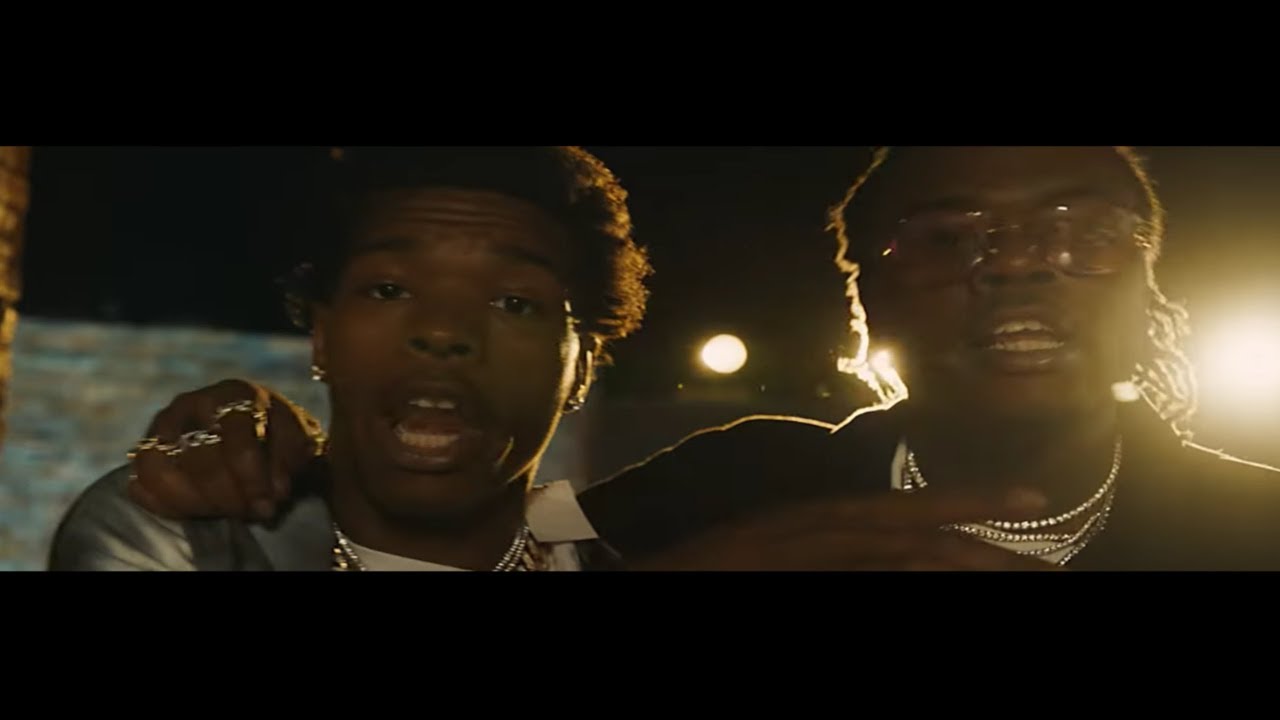
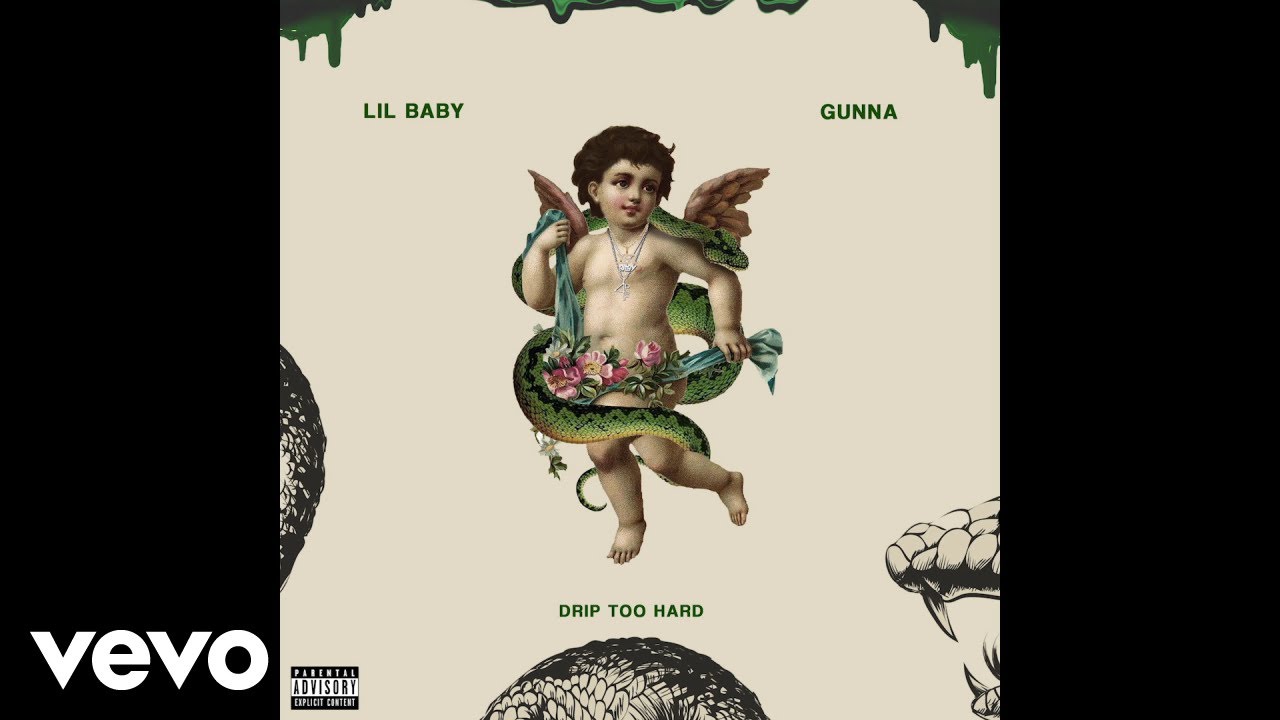
Commercially, Drip Too Hard with Gunna was his first major crossover. The Bigger Picture (2020) was his most critically significant — earning Grammy nominations and resonating nationally during the George Floyd protests. Do We Have a Problem? with Nicki Minaj (2022) was his highest chart debut, entering the Hot 100 at #1.
Where does Lil Baby live?
Lil Baby lives in Atlanta, Georgia. Unlike many artists who relocate to Los Angeles after mainstream success, he has remained committed to Atlanta as his primary base — operating his businesses, raising his sons, and staying connected to the community he grew up in.