Walk Through the Article
Daymond John Net Worth at a Glance
- Net Worth (2026): approximately $350 million
- Primary Sources: FUBU fashion brand, Shark Tank investments, Shark Group consultancy
- Shark Tank Seasons: Season 1 (2009) through present — one of three original Sharks still on the show
- FUBU Revenue (peak): $350 million annually; cumulative revenues exceeding $6 billion
- Notable Shark Tank investment: Bombas socks (now a $100M+ brand)
Daymond John’s story is one of the most compelling in American business: a Black entrepreneur from Hollis, Queens, who built a streetwear empire from his mother’s living room, nearly went bankrupt twice, and emerged as one of the country’s most recognised mentors to small business owners. His net worth stands at approximately $350 million in 2026, underpinned by decades of brand-building, television, and direct investments in some of America’s fastest-growing consumer businesses.
Daymond John Quick Facts
| Full Name | Daymond Garfield John |
|---|---|
| Date of Birth | February 23, 1969 |
| Age | 57 years old |
| Place of Birth | Hollis, Queens, New York City, USA |
| Height | 5 ft 6 in (168 cm) |
| Nationality | American |
| Education | High school diploma, GED |
| Occupation | Entrepreneur, Investor, Author, TV Personality |
| Net Worth (2026) | ~$350 million |
| Known For | FUBU fashion brand, Shark Tank, The Shark Group, motivational speaking |

FUBU: The Brand That Built His Fortune
For Us By Us — FUBU — was founded in 1992 when Daymond John was just 23 years old. He started with $40 worth of fabric and a sewing machine in Hollis, Queens, making wool hats to sell on the street. John’s insight was profound: hip-hop culture was exploding in mainstream America, but the clothing brands dominating that market were mostly owned by people outside the community. FUBU positioned itself as authentically for and by the culture.
The brand’s breakthrough came when John convinced LL Cool J — his childhood friend and already a major hip-hop star — to wear FUBU clothing in a Gap television advertisement. LL Cool J subtly added the line “For Us By Us” to the ad, giving FUBU national exposure it could never have afforded to buy. Orders flooded in. John’s mother mortgaged her house for $100,000 to fund the business, and the family essentially turned their home into a production facility.
Daymond John Net Worth Breakdown 2026
| Source | Estimated Value |
|---|---|
| FUBU brand equity and licensing | ~$150 million |
| Shark Tank investment portfolio | ~$100 million |
| The Shark Group (business consulting) | ~$50 million |
| Speaking fees and media appearances | ~$30 million |
| Books, courses, real estate | ~$20 million |
| Total (approx.) | ~$350 million |
From $6 Billion to Near Bankruptcy and Back
At its peak in the late 1990s and early 2000s, FUBU was generating $350 million annually with cumulative revenues that have exceeded $6 billion over its lifetime. John took the brand international, opening in Europe and Asia. However, the mid-2000s brought serious challenges: shifting fashion trends moved away from the oversized streetwear aesthetic, and FUBU’s revenues declined sharply. The company went through a painful restructuring that brought John close to personal bankruptcy.
What John did next defines much of his later philosophy. Rather than doubling down on the struggling core brand, he diversified aggressively: into television (Shark Tank), consulting, speaking, and writing. He founded The Shark Group, a brand management and consulting firm that works with both Fortune 500 companies and small businesses to help them build meaningful consumer connections. By the time Shark Tank debuted in 2009, John was positioned perfectly to become its most culturally resonant investor.
Shark Tank Investments and Philosophy
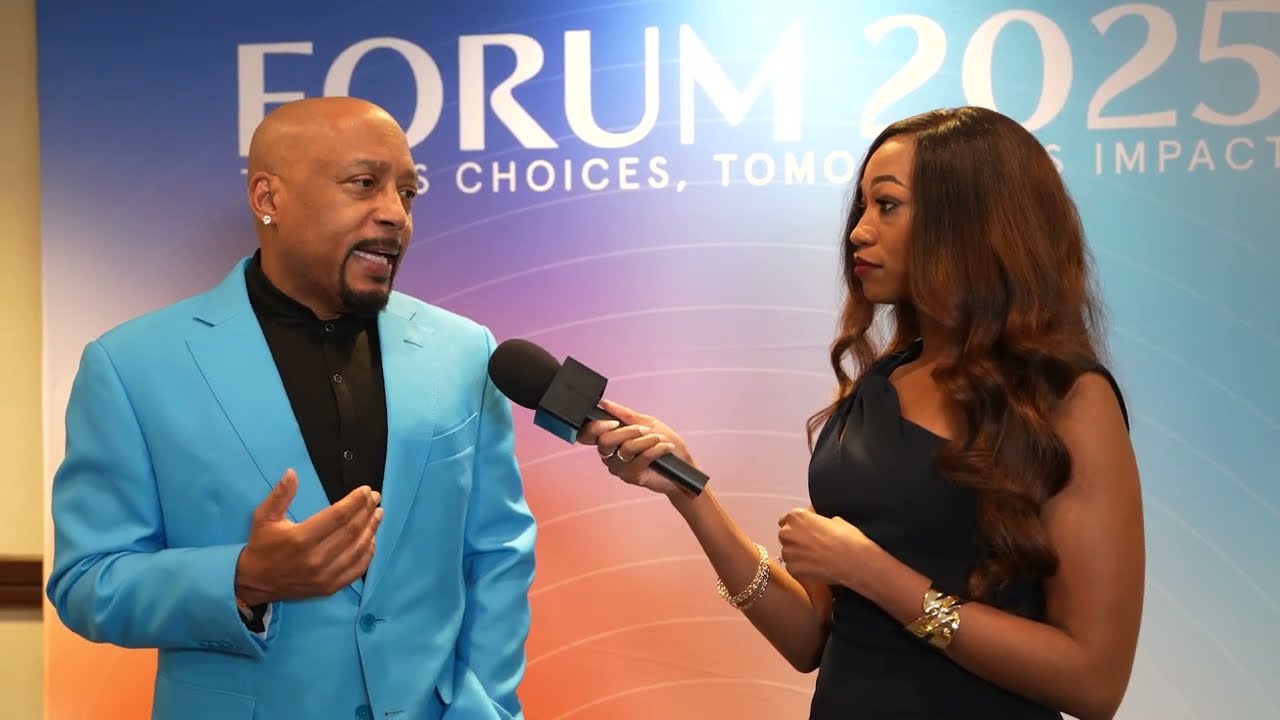
Daymond John has been on Shark Tank since the first episode in 2009, making him one of the show’s three original Sharks still active. His investment focus is primarily on fashion, lifestyle, and consumer brands — areas where he can contribute operational expertise, not just capital. Notable investments include Bombas socks (a charitable business model that donates one pair for every pair sold, now a $100M+ brand), Dude Wipes, and numerous apparel businesses.
John’s investment philosophy is deeply influenced by his own bootstrap experience. He prefers founders who demonstrate extreme resourcefulness and market awareness. He is notably sceptical of founders who can explain what they want to do but cannot articulate the specific steps they have already taken. In his view, action precedes capital — he looks for evidence of hustle before he writes a cheque.
Personal Life and Health Battle
In 2016, Daymond John was diagnosed with Stage 1 thyroid cancer. He has spoken openly about the experience, noting that it profoundly shifted his priorities. He chose surgery and monitoring over aggressive intervention due to the early stage of detection, and has used his experience to advocate for regular health screenings. The diagnosis came during active filming of Shark Tank and briefly disrupted his public schedule, though he recovered fully.
John married Heather Taras in 2018. He has three daughters: Minka (from a prior relationship), Yasmeen, and Olive (with Heather). The family is based in Long Island, New York, where John grew up.
Frequently Asked Questions About Daymond John
What is Daymond John’s net worth in 2026?
Daymond John’s net worth is approximately $350 million in 2026, earned through FUBU, Shark Tank investments, The Shark Group consulting firm, and media activities.
How did Daymond John start FUBU?
FUBU was founded in 1992 from Daymond John’s home in Hollis, Queens. He started with $40 of fabric to sew wool hats, got LL Cool J to wear the brand on television, convinced his mother to mortgage her house for $100,000 in startup capital, and built the brand to $350 million in annual revenue at its peak.
What does FUBU stand for?
FUBU stands for “For Us, By Us” — a slogan that reflected Daymond John’s founding philosophy that the brand was created by and for the hip-hop community. It was an explicit statement of cultural ownership at a time when mainstream fashion brands were profiting from hip-hop aesthetics without meaningful connection to the community.
What is Daymond John’s most successful Shark Tank investment?
Bombas socks is widely considered Daymond John’s most successful Shark Tank investment. The company, which donates a pair of socks to homeless shelters for every pair sold, has grown into one of the most successful businesses in Shark Tank history with revenues exceeding $100 million annually.
Did Daymond John have cancer?
Yes. Daymond John was diagnosed with Stage 1 thyroid cancer in 2016. He successfully treated it and has used his experience to advocate for preventive health screenings. He has been in full health since treatment.
How old is Daymond John?
Daymond John was born on February 23, 1969, making him 57 years old as of 2026.
What is The Shark Group?
The Shark Group is Daymond John’s brand management and consulting firm. It works with entrepreneurs, celebrities, and corporations to build brand equity, improve marketing, and develop business strategies. The firm is a significant part of John’s income beyond television and FUBU.
Key Lessons from Daymond John’s Career
Daymond John’s business career offers several lessons that have made him a sought-after speaker at corporate events, universities, and entrepreneurship conferences globally. First and foremost is what he calls the “power of broke” — the idea that limited resources force creative thinking, hustle, and lean operations that ultimately produce stronger businesses than those with easy access to capital. FUBU was built with sewing machines, borrowed money, and community connections, not venture capital.
Second is the importance of cultural authenticity. FUBU succeeded because it was genuinely connected to hip-hop culture, not imitating it from the outside. John frequently warns entrepreneurs against building brands that try to appeal to communities they don’t understand or belong to — the market can sense inauthenticity quickly.
Third is the value of celebrity and influencer partnerships done correctly. The LL Cool J collaboration was not a paid endorsement in the traditional sense — it was a relationship between two people who grew up in the same neighbourhood, with mutual trust and genuine enthusiasm for the product. John argues that these organic endorsements generate far more commercial value than paid celebrity partnerships, a lesson that remains relevant in an era of social media influencer marketing.
At 57, Daymond John is busier than ever, managing The Shark Group, filming Shark Tank, investing in new businesses, and writing and speaking about entrepreneurship. His net worth of $350 million is the product of an extraordinary journey that proves resilience, reinvention, and community roots can build a lasting fortune even without a privileged starting point.
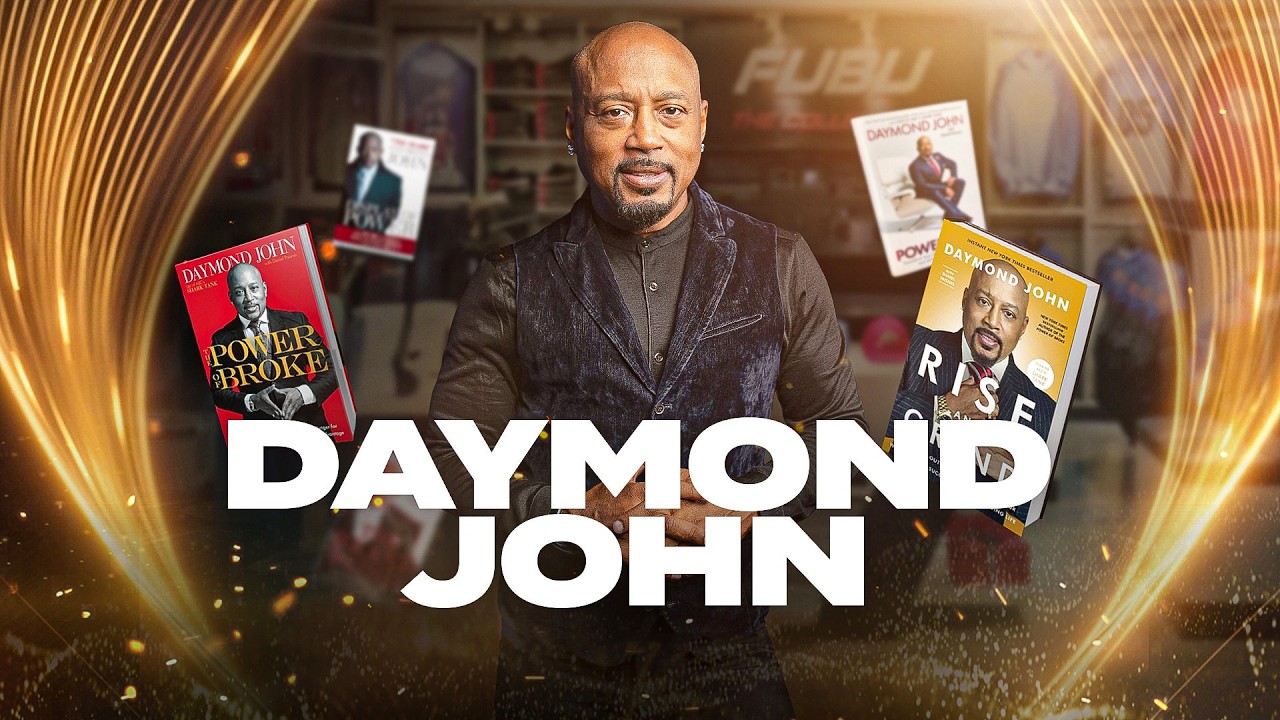
His books — including Display of Power, The Brand Within, and Rise and Grind — have sold millions of copies and are regularly assigned in business school programmes. The cumulative reach of his writing, speaking, and television work has made Daymond John one of the most influential voices in American small business culture, an achievement that extends well beyond his impressive net worth figure alone.