Walk Through the Article
Teddy Swims’ Net Worth at a Glance
Teddy Swims’ net worth is estimated at $5 million as of 2026 — a fortune built by a heavily tattooed Atlanta soul singer who spent years covering other people’s songs on social media before his own music broke through in one of R&B’s most unexpected success stories. Born Jaten Dissmuke, Teddy Swims built a devoted online following through raw, emotionally direct cover performances during the COVID-19 era, then channelled that audience energy into original music that culminated in the breakout hit “Lose Control” — a song that reached No. 2 on the Billboard Hot 100 and became one of the most-streamed R&B tracks of 2023 and 2024.

Teddy Swims on stage — his powerful voice and emotionally raw performances have made him one of R&B’s most compelling live acts.
Quick Facts
| Full Name | Jaten Dissmuke |
|---|---|
| Date of Birth | March 20, 1992 |
| Age | 34 years old (as of 2026) |
| Birthplace | Atlanta, Georgia, USA |
| Nationality | American |
| Profession | Singer, Songwriter |
| Net Worth (2026) | $5 Million |
| Record Label | Warner Records |
| Known For | “Lose Control,” I’ve Tried Everything But Therapy (Part 1), Grammy nominations |
How Does Teddy Swims Make His Money?
Teddy Swims’ income flows from several reinforcing streams, with “Lose Control” providing the foundational commercial success that unlocked touring at a new scale, accelerated brand interest, and generated substantial ongoing streaming royalties.
| Income Source | Estimated Amount | Type | Notes |
|---|---|---|---|
| Music Streaming & Royalties | $700K–1.3M/year | Annual (personal) | “Lose Control” streams across Spotify, Apple Music, and radio; ongoing royalties from I’ve Tried Everything But Therapy album catalogue |
| Touring & Live Performances | $1–1.8M/year | Annual (personal) | Headline touring after Grammy nominations; strong live draw from loyal fanbase built through social media; personal take after costs |
| Brand Partnerships | $300–700K/year | Annual (personal) | Deals attracted by his distinctive look (heavy tattoos), authentic online voice, and crossover appeal between R&B and pop audiences |
| Sync Licensing | $150–400K/year | Annual (personal) | TV, film, and advertising placement income from “Lose Control” and album tracks |
| Estimated Total Net Worth | $5 Million (2026) | ||
Early Life: Atlanta Roots and a Voice That Needed an Audience
Jaten Dissmuke was born on March 20, 1992, in Atlanta, Georgia — a city whose music culture, spanning R&B, gospel, hip-hop, and soul, would prove a formative environment for the kind of artist he would become. Atlanta’s musical identity is deeply rooted in emotional authenticity and vocal power, values that Teddy Swims would absorb and eventually channel into performances of almost uncomfortable directness.
Growing up, Swims developed a love of classic soul and R&B — the tradition of Otis Redding, Sam Cooke, and Whitney Houston that prizes vocal ability above production sheen. He began singing in church and local contexts, building a technique through performance rather than formal training. The heavy tattoos that have become one of his visual signatures were accumulated across this period, creating a striking contrast between his physical appearance and the tender emotional content of his music — a contrast that would eventually become part of his identity as an artist.
Before his breakthrough, Swims worked at jobs unrelated to music while continuing to perform and develop his craft. The financial security of a conventional career path is something he has spoken about in interviews as both a practical necessity and a source of grounding — he did not arrive at success as someone who had always been insulated from ordinary working life, and that background informs the emotional honesty of his songwriting.

In the studio — Teddy Swims’ approach to songwriting draws on classic soul traditions while addressing contemporary emotional experience.
Career: From Cover Songs to Grammy Nominations
Teddy Swims’ path to mainstream recognition was genuinely unconventional. During the COVID-19 pandemic — when live music disappeared and artists across the industry scrambled to maintain connection with audiences — Swims began posting cover videos on social media. His versions of songs ranging from Sam Smith to Beyoncé were distinguished not by novelty arrangements or production tricks but by the sheer quality of his voice and the emotional commitment he brought to every performance. In an environment saturated with content, these qualities cut through.
The cover videos built a following that was both large and unusually loyal — the kind of audience that had found something they wanted more of rather than something they had passively consumed. Swims signed with Warner Records and began releasing original music, with early EP projects that demonstrated the same emotional range as his covers applied to his own songwriting. Critical recognition came relatively early, with reviewers noting that his voice was something genuinely exceptional in the contemporary R&B landscape.
The 2023 album I’ve Tried Everything But Therapy (Part 1) was the statement that brought his career into a new commercial register. The album’s lead single “Lose Control” — a song about the disorienting experience of falling deeply in love — became an inescapable presence on streaming playlists, radio, and social media. It reached No. 2 on the Billboard Hot 100, a peak that reflected both the strength of the song and the scale of the audience Swims had assembled through years of authentic online connection. The Grammy nominations that followed — including Best New Artist — were the industry’s formal acknowledgment of what listeners had already decided.
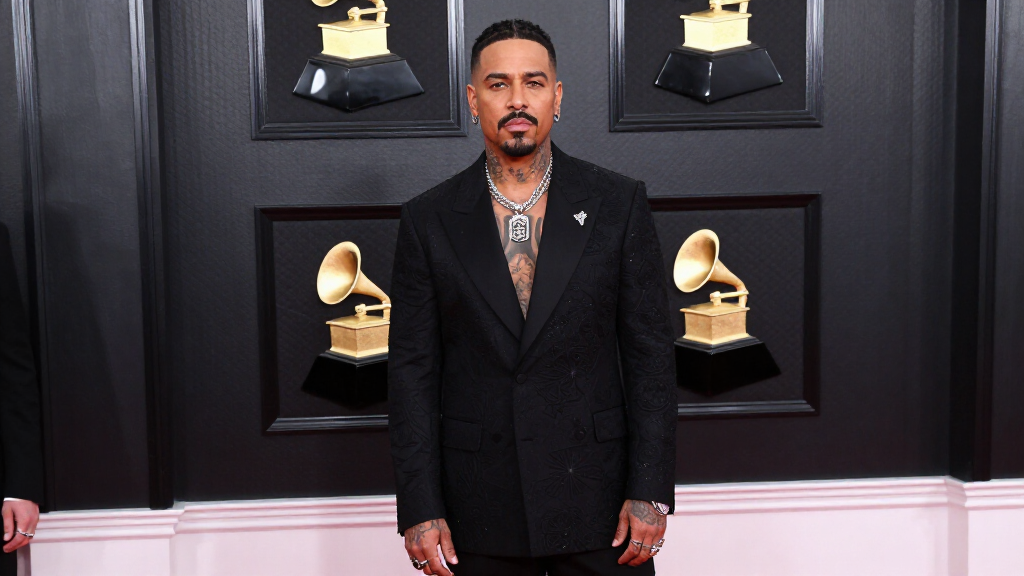
Grammy recognition for Best New Artist and Best R&B Album marked the formal industry acknowledgment of what Teddy Swims’ audience had known for years.
Net Worth History
Before “Lose Control,” Teddy Swims’ net worth was modest despite his growing online following — social media audiences, even large ones, do not automatically translate into income. The Warner Records deal provided an advance and recording support, but the period between signing and breakthrough commercial success is one of financial investment rather than accumulation. The success of I’ve Tried Everything But Therapy in 2023 was the moment that changed this: streaming royalties, touring demand, and brand interest all scaled upward simultaneously. The Grammy nominations in early 2024 further amplified his commercial profile, and by 2026 the compounding income from these sources has produced the estimated $5 million figure.
Personal Life
Teddy Swims is married, and his wife features occasionally in his social media presence — the relationship being one of the real-life emotional anchors that informs the vulnerability of his songwriting about love and connection. He has spoken in interviews about the importance of maintaining personal grounding amid the acceleration of a music career, and about the experience of pursuing music seriously for years before commercial success made the path feel vindicated. His heavy tattoos — covering much of his arms and neck — are a striking visual element of his public persona, and one he has rarely felt the need to explain or contextualise beyond noting that they reflect his personal history and identity.
Little-Known Facts About Teddy Swims
- His stage name “Teddy Swims” has no single definitive origin story — it’s a nickname that stuck from his pre-fame social circle and that he adopted professionally.
- He built his initial following almost entirely through cover song videos during the COVID-19 pandemic — an audience assembled before he had a major label deal or commercially released original music.
- “Lose Control” reached No. 2 on the Billboard Hot 100, making it one of the highest-charting R&B songs of 2023 and 2024.
- He worked non-music jobs in Atlanta for years while developing his craft, and has spoken about the ordinary working experience as something that grounds his approach to music and fame.
- His Grammy nominations for Best New Artist placed him alongside artists who had been commercially active for far less time — a reflection of how long his pre-breakthrough development period actually was.
https://www.youtube.com/watch?v=3YqU0BeOvMw
Frequently Asked Questions
What is Teddy Swims’ net worth in 2026?
Teddy Swims’ net worth is estimated at approximately $5 million as of 2026. His wealth has been built primarily through streaming royalties from “Lose Control” and his debut album I’ve Tried Everything But Therapy (Part 1), combined with touring income and brand partnerships that accelerated significantly following his Grammy nominations in 2024.
What is Teddy Swims’ real name?
Teddy Swims’ real name is Jaten Dissmuke. He was born on March 20, 1992, in Atlanta, Georgia, and adopted the stage name Teddy Swims — a nickname from his pre-fame life — as he developed his professional music career.
What song made Teddy Swims famous?
“Lose Control” is the song that brought Teddy Swims to mainstream commercial success. Released as part of his 2023 album I’ve Tried Everything But Therapy (Part 1), the song reached No. 2 on the Billboard Hot 100 and became one of the most-streamed R&B tracks of the year, earning him Grammy nominations including Best New Artist.
Is Teddy Swims married?
Yes, Teddy Swims is married. He has spoken in interviews about his wife and the importance of his personal relationship as a grounding influence during a period of rapid career acceleration. The emotional honesty of his songwriting about love and vulnerability is informed in part by his own relationship experience.
Where is Teddy Swims from?
Teddy Swims was born and raised in Atlanta, Georgia. Atlanta’s rich musical heritage — spanning R&B, gospel, hip-hop, and soul — was a formative influence on his development as a singer and songwriter, and the city’s culture of emotional authenticity in music is evident in his approach to performance and songwriting.
How old is Teddy Swims?
Teddy Swims was born on March 20, 1992, making him 34 years old as of 2026. His Grammy nomination for Best New Artist came when he was in his early thirties — reflecting the longer development arc of his career and the fact that “new artist” recognition can come later than the name implies.