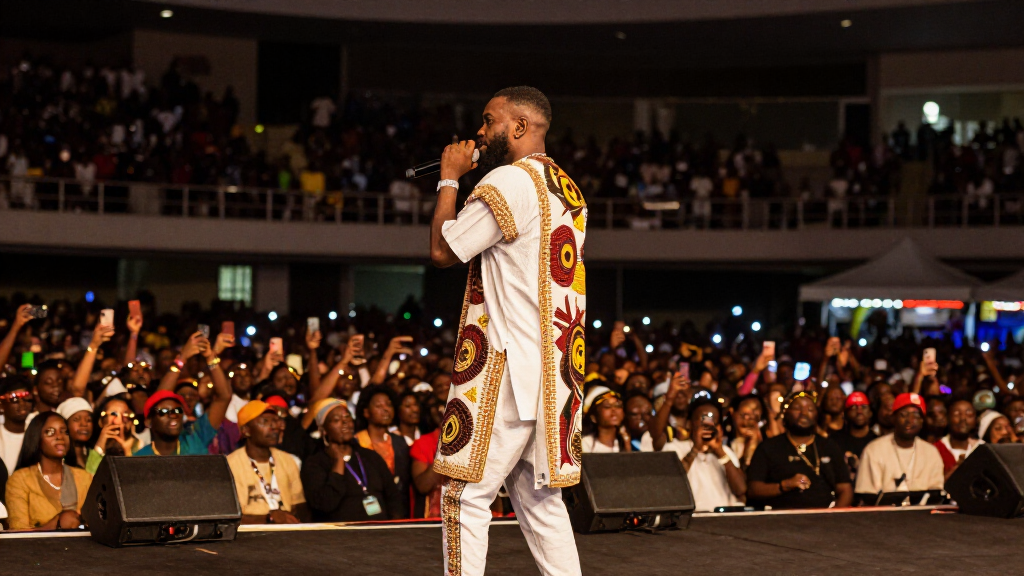
There is a short list of musicians who can legitimately claim to have defined a genre — not merely contributed to it, not merely been commercially dominant within it, but actually built the template that everyone who came after them has used as their starting point. In Nigerian popular music, Innocent Ujah Idibia, known the world over as 2Baba and formerly as 2Face Idibia, belongs on that list. He did not invent Afrobeats from nothing, but the sound he crystallized in the early 2000s — emotionally direct, melodically rich, drawing equally from R&B, highlife, and dancehall — became the foundation on which an entire global genre has since been constructed. Twenty-plus years into a career that has survived industry restructurings, personal controversies, shifting musical fashions, and a marital breakdown that played out in public at the 17th Headies Awards in April 2025, 2Baba remains a working artist and a genuine institution. His net worth is estimated at approximately $15 million as of 2026, according to multiple Nigerian entertainment industry sources, reflecting a career that has generated income across music, touring, endorsements, and his own label operation.
Walk Through the Article
2Baba Quick Facts
| Full Name | Innocent Ujah Idibia |
|---|---|
| Date of Birth | September 18, 1975 |
| Age | 50 years old (as of 2026) |
| Nationality | Nigerian |
| Profession | Singer, Songwriter, Record Label Owner |
| Net Worth | ~$15 Million (2026 estimate) |
| Known For | “African Queen,” “Amaka,” “Only Me,” “Opo,” pioneering modern Afrobeats |
Early Life and Education
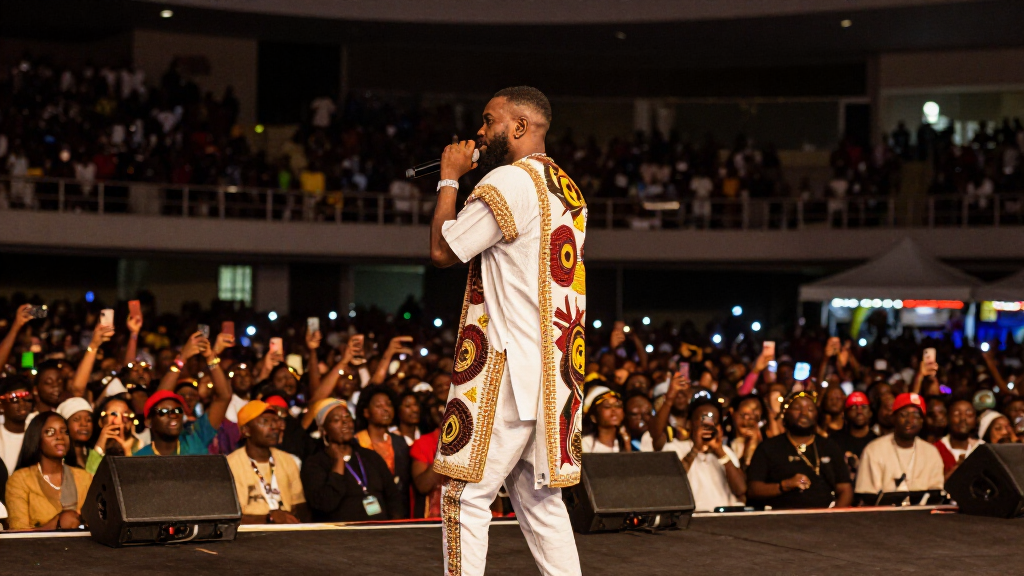
Innocent Ujah Idibia was born on September 18, 1975, in Jos, Plateau State, in north-central Nigeria. Jos is a city that occupies a particular position in the Nigerian national imagination — sitting at a high altitude that gives it a cooler climate than most Nigerian cities, historically multicultural, and positioned as something of a meeting point between Nigeria’s north and south. Its complexity — religious, ethnic, commercial — gave Innocent an early education in the layers of Nigerian identity that would eventually surface in music that spoke to audiences across the country’s many divides.
He came of age in the 1990s, a period when Nigerian popular music was navigating the tension between older highlife and juju traditions and the enormous influence of American R&B, hip-hop, and Jamaican dancehall that was flooding into the country. For a generation of young Nigerians who had grown up consuming both local and international music in roughly equal measure, the challenge and the opportunity were the same: how to make something that was genuinely Nigerian without being reactionary about the global sounds that had become part of the local vernacular.
Innocent began making music seriously as a young man, and his early collaborations would prove decisive. He was a founding member of Plantashun Boiz, a group that also included Faze and Blackface (Ahmedu Augustine Obiabo). Plantashun Boiz were among the pioneering acts of what would retrospectively be called the birth of modern Afrobeats — a period in the late 1990s and early 2000s when Nigerian artists began synthesizing their diverse influences into a coherent commercial sound that was neither imitation nor pastiche but something genuinely new.
The group achieved significant success within Nigeria, releasing two albums and establishing the members as credible presences in the emerging Nigerian pop music ecosystem. But by the early 2000s, the direction of each member’s ambition had begun to diverge, and a solo career for Innocent became the obvious next step.
Career Timeline
2Face Idibia’s debut solo album, Face 2 Face, was released in 2004, and it announced one of the most complete debut statements Nigerian popular music had ever produced. The album contained what would become his signature song and, arguably, one of the most recognized African pop songs in history: “African Queen.”
“African Queen” is not merely a well-crafted love song — it is a document of a specific cultural moment, capturing the aspirations and romantic idealism of a generation of Nigerians who were beginning to imagine their country and their continent as places capable of producing something the world would want to listen to. The song’s production was polished but not sterile, its melody immediately memorable, and 2Face’s vocal delivery hit an emotional register that transcended the familiar criticisms of Nigerian pop as either derivative or provincial. “African Queen” was neither — it was a distinctly Nigerian statement delivered with enough universal appeal to cross borders.
That border-crossing was made literal in 2006 when “African Queen” was featured on the soundtrack of the Hollywood film Phat Girlz, starring Mo’Nique. For a Nigerian pop song to appear in an American theatrical release in 2006 — years before Afrobeats had any meaningful mainstream Western profile — was an extraordinary achievement and a sign of what the song’s reach could become.
Over the following years, 2Face Idibia continued releasing music that maintained his commercial standing and his artistic credibility simultaneously — a balance that is extraordinarily difficult to sustain over a long career. “Amaka” became another fan favourite, its reggae-inflected production and warm vocal performance earning consistent radio rotation and event play. “Only Me” and “Opo” similarly demonstrated that he was not coasting on the reputation of “African Queen” but building a catalogue with depth and range.
His commercial relationship with Now Muzik, which managed his career for an extended period, ended in March 2024 after what was reported as a twenty-year association. He subsequently took direct control of his career through Hypertek Digital, the label he had established. That transition represented a significant shift — from an arrangement where external management had substantial control over his business decisions to one where he owns and directs the operation. The financial implications of owning rather than being managed are considerable, both in terms of revenue retained and in terms of the complexity of running a business.
Since taking that step, 2Baba has continued performing and releasing music, approaching the fiftieth year of his life as an independent operator in an industry he helped build. His influence on subsequent generations of Nigerian artists is impossible to overstate — artists including Wizkid, Burna Boy, Davido, and Tiwa Savage have all cited the sounds and sensibility he established in the early 2000s as foundational to their own development. To be widely described as the “father of modern Afrobeats” in an era when Afrobeats is genuinely global is a legacy that attaches to very few people in any genre.
Net Worth and Income Sources
How Does 2Baba Make Money?
| Income Source | Estimated Amount | Type | Notes |
|---|---|---|---|
| Music Streaming & Sales | $500,000–$1M+ | Active/Passive | “African Queen” and back catalogue stream heavily globally; royalties accumulating over 20+ years |
| Live Performances & Touring | $1M–$2M | Active | Consistent touring across Nigeria, UK, Europe, and North America; major festival appearances |
| Brand Endorsements | $500,000–$1.5M | Active | Long history of endorsement partnerships; credibility makes him commercially attractive to premium brands |
| Hypertek Digital (Label) | Undisclosed | Active/Investment | Owns his own label following end of Now Muzik deal in March 2024 |
| YouTube Monetization | $100,000–$300,000 | Passive | Decades of content; “African Queen” alone generates substantial ongoing views |
| Estimated Total Net Worth | ~$15 Million (2026) | ||
Personal Life
2Baba has been one of the most personally public figures in Nigerian entertainment, not always by choice. He is the father of seven children — four sons and three daughters — from three different women, a family situation that attracted considerable media attention and commentary throughout his career. His relationships and the circumstances surrounding his various children were discussed extensively in Nigerian tabloid culture and social media for years.
His marriage to actress Annie Macaulay-Idibia was a significant public event, and their relationship was followed closely by Nigerian media and fans who invested emotionally in what appeared to be a long-standing romantic story reaching a formal conclusion. However, the marriage ultimately ended: Annie Macaulay-Idibia confirmed the divorce at the 17th Headies Awards ceremony in April 2025, making the formal announcement in one of Nigerian entertainment’s most prominent annual settings. The disclosure attracted extensive media coverage across Nigeria and among the African diaspora.
2Baba’s personal life has occasionally drawn criticism alongside admiration, and he has navigated both with the equanimity of someone who has spent decades in the public eye. His continued ability to attract audiences and generate media engagement — even during periods when personal controversy has dominated the coverage — speaks to the depth of goodwill his music has accumulated over the course of his career.
At 50, he occupies an unusual position: a genuine pioneer who is still making music, still touring, and still commercially relevant in an industry that has largely moved on to artists two decades younger. That longevity is, in its own way, as impressive as any award he has received.
Little-Known Facts About 2Baba
- “African Queen” (2004) was featured in the 2006 Hollywood film Phat Girlz, making 2Baba one of the first Nigerian pop artists to have their music used in a major American theatrical release — years before Afrobeats had any mainstream Western commercial profile.
- He was a founding member of Plantashun Boiz, one of the early groups in what would become recognized as the founding era of modern Afrobeats. The group’s influence on the sound of Nigerian pop music in the late 1990s and early 2000s is significant but often underacknowledged in discussions focused on solo careers.
- His twenty-year management relationship with Now Muzik ended in March 2024, after which he took direct control of his career through Hypertek Digital — a transition that gives him ownership and oversight of his music business that he did not previously have in that form.
- He has seven children from three women — four sons and three daughters — a family configuration that has been part of his public profile for most of his career and that reflects some of the personal complexity that has run alongside his professional achievements.
- He is widely described by artists, critics, and industry observers across Nigeria as the “father of modern Afrobeats” — a designation that carries meaningful weight at a moment when Afrobeats is a genuinely global commercial force, not a regional niche.
- His divorce from actress Annie Macaulay-Idibia was confirmed publicly by her at the 17th Headies Awards in April 2025, making the announcement in one of the most high-profile settings available in Nigerian entertainment — a detail that underscores the degree to which their relationship had been woven into the public fabric of Nigerian celebrity culture.
https://www.youtube.com/watch?v=dLYbpLz-9ug
Frequently Asked Questions About 2Baba
What is 2Baba’s net worth in 2026?
2Baba’s net worth is estimated at approximately $15 million as of 2026, according to multiple Nigerian entertainment industry sources. His earnings derive from more than two decades of music releases, touring, brand endorsements, and his Hypertek Digital label operation. All figures are estimates — his personal finances are not publicly disclosed.
What is 2Baba’s real name?
2Baba’s full name is Innocent Ujah Idibia. He performed for most of his career under the stage name 2Face Idibia before later adopting 2Baba as his primary performing name. Both names refer to the same artist; 2Baba is now the official name he uses.
Why is 2Baba called the father of modern Afrobeats?
2Baba is widely described as the “father of modern Afrobeats” because his debut album Face 2 Face (2004) and particularly the song “African Queen” established many of the sonic and emotional templates that define the genre as it has developed globally. His synthesis of Nigerian highlife, R&B, and dancehall influences created a model that subsequent generations of artists have built upon, even as the genre evolved significantly in production style and global reach.
What is 2Baba’s most famous song?
“African Queen” (2004) is widely regarded as 2Baba’s signature song and one of the most recognized African pop songs ever made. Its appearance on the soundtrack of the 2006 Hollywood film Phat Girlz brought it international exposure at a time when Nigerian pop music had almost no mainstream Western commercial presence. Other beloved songs include “Amaka,” “Only Me,” and “Opo.”
What is Hypertek Digital?
Hypertek Digital is 2Baba’s own record label, which took over the management of his career following the end of his twenty-year relationship with Now Muzik in March 2024. By operating through his own label, he retains greater control over his music rights, revenue streams, and creative direction than he had under the previous arrangement.
Was 2Baba married?
2Baba was married to Nigerian actress Annie Macaulay-Idibia. The marriage ended, with Annie Macaulay-Idibia confirming the divorce publicly at the 17th Headies Awards ceremony in April 2025. Their relationship had been closely followed by Nigerian media and fans for many years.
How many children does 2Baba have?
2Baba has seven children — four sons and three daughters — from three women. His family situation has been part of his public profile throughout his career.
What group was 2Baba in before going solo?
Before launching his solo career, 2Baba was a member of Plantashun Boiz, a group also featuring Faze and Blackface (Ahmedu Augustine Obiabo). Plantashun Boiz were among the pioneering acts in the early development of modern Nigerian pop music, releasing two albums before the group’s members pursued separate solo directions in the early 2000s.
When did “African Queen” appear in a Hollywood film?
“African Queen” was featured on the soundtrack of Phat Girlz, a 2006 Hollywood film starring Mo’Nique. The placement was significant because it happened years before Afrobeats had any meaningful mainstream Western commercial profile, making 2Baba one of the earliest Nigerian pop artists to achieve that kind of international film industry recognition.