Walk Through the Article
Daniel Kaluuya Net Worth: $25 Million in 2026
Daniel Kaluuya has achieved what almost no British actor of his generation has managed: genuine, Oscar-validated Hollywood stardom built from scratch without an American accent, a famous family, or a traditional drama school pedigree. Born to Ugandan immigrants in the London Borough of Camden, he navigated the British children’s TV circuit and a defining role in Skins before Jordan Peele’s Get Out (2017) announced him to the world as one of cinema’s great talents. His estimated net worth of $25 million in 2026 reflects two Oscar nominations (with one win), an extraordinary run of prestige dramas and blockbusters, and an intensely deliberate approach to choosing work that matters over work that pays.
| Full Name | Daniel Kaluuya |
|---|---|
| Date of Birth | February 24, 1989 |
| Age | 37 years old |
| Height | 5’11” (180 cm) |
| Nationality | British (Ugandan heritage) |
| Profession | Actor, Writer, Producer |
| Net Worth | $25 Million (2026) |
| Children | One child (name kept private) |
| Known For | Get Out (2017), Judas and the Black Messiah (Oscar win), Black Panther, Barbie (2023) |
What is Daniel Kaluuya’s net worth in 2026?
Daniel Kaluuya’s net worth is estimated at approximately $25 million in 2026. The wealth comes from a concentrated run of high-profile roles — Get Out, Black Panther, Judas and the Black Messiah, Nope, and his scene-stealing turn as Ken in Barbie (2023), which grossed $1.44 billion worldwide. His deliberately selective approach to projects has meant fewer but significantly more impactful film credits, each commanding higher fees than the last as his Oscar-validated status grows.
How did Daniel Kaluuya become famous?
Kaluuya first gained attention in the UK through his role as Posh Kenneth in the BAFTA-winning Channel 4 drama Skins (2007–2009). His international breakout came when Jordan Peele cast him as Chris Washington in Get Out (2017), a horror film examining American racism through the eyes of a Black man visiting his white girlfriend’s family. The performance earned him his first Academy Award nomination for Best Actor and made him an overnight global name. His dual presence in major blockbusters (Black Panther, Barbie) and serious prestige dramas (Get Out, Judas and the Black Messiah, Nope) sets him apart as genuinely range-spanning in a way that very few contemporary actors can claim.
Did Daniel Kaluuya win an Oscar?
Yes. Daniel Kaluuya won the Academy Award for Best Supporting Actor in 2021 for his portrayal of Black Panther Party chairman Fred Hampton in Judas and the Black Messiah (directed by Shaka King). His acceptance speech — in which he celebrated his parents by noting that they had to have found each other and fallen in love for him to exist on that stage — became one of the most quoted Oscar moments of the decade for its raw, irreverent gratitude. He was previously nominated for Best Actor for Get Out (2017), making him one of very few British actors to receive two Oscar nominations across different categories.
What was Daniel Kaluuya’s role in Barbie?
In Greta Gerwig’s Barbie (2023), Kaluuya played one of the multiple Ken dolls in Barbieland — specifically a Ken character with his own distinct personality distinct from Ryan Gosling’s central Ken. Despite being a supporting role within an ensemble, the film’s Kendom sequences and the breakout musical number gave Kaluuya significant screen time in the highest-grossing film of 2023. Barbie grossed $1.44 billion worldwide, considerably broadening Kaluuya’s commercial profile to audiences who knew him primarily from prestige dramas, and demonstrating the comedic range he had long been reluctant to display publicly.
Where is Daniel Kaluuya from?
Daniel Kaluuya was born and raised in London, specifically the Borough of Camden. Both of his parents are Ugandan immigrants, and he grew up identifying deeply with both his British identity and his Ugandan heritage. He has spoken about how growing up in London — as an outsider to American race relations rather than as someone embedded in them — gave him a particular perspective essential to his portrayal of Chris Washington’s horror in Get Out. His Skins breakthrough was a specifically British cultural moment; his subsequent American success came through artistic choices rather than any assimilation of his identity or his accent.
How old is Daniel Kaluuya in 2026?
Daniel Kaluuya was born on February 24, 1989, making him 37 years old in 2026. He is at an extraordinary career inflection point — old enough to have built a two-decade body of work with multiple landmark performances, yet young enough that the bulk of his peak earning years are still ahead. Few British actors of his generation have achieved equivalent Oscar recognition and global box office presence simultaneously, and his selective output suggests the best work may still be coming.
What is Daniel Kaluuya’s most critically acclaimed role?
Critical consensus and awards recognition point to two roles as his definitive performances: Chris Washington in Get Out (2017), for which he earned a Best Actor Oscar nomination and near-universal critical praise for conveying mounting dread through subtle physical transformation, and Fred Hampton in Judas and the Black Messiah (2021), for which he won the Academy Award for Best Supporting Actor. His portrayal of Fred Hampton — a charismatic, dangerously intelligent revolutionary murdered by the FBI at age 21 — is widely cited as one of the decade’s great screen performances: physically committed, emotionally devastating, and historically essential.
Does Daniel Kaluuya have children?
Daniel Kaluuya has one child, born in 2022. He has been intensely private about his family life, and the identities of his partner and child have not been publicly disclosed. He acknowledged being a father in a 2022 interview, describing it as profoundly clarifying about what matters in life. This commitment to protecting his personal life from public scrutiny is characteristic of how he approaches his entire off-screen existence — understated by design, with total focus on the craft.
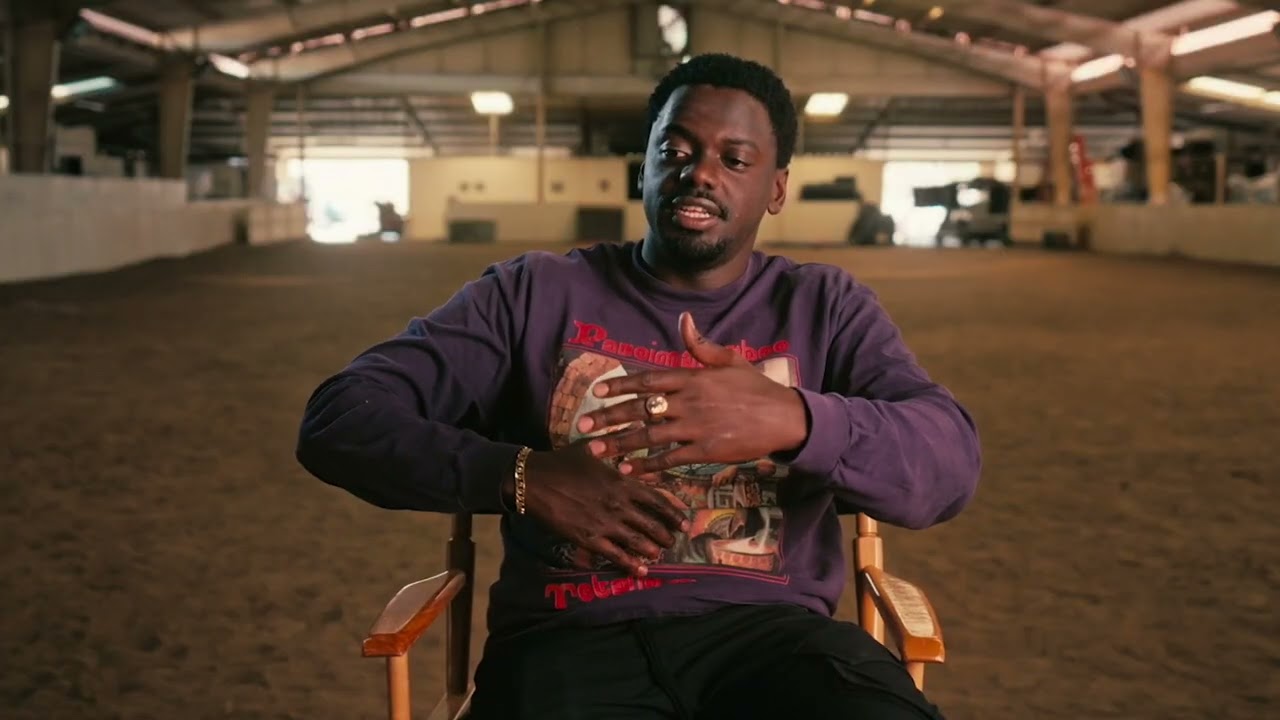
Net Worth and Income Sources
| Income Source | Estimated Amount | Type | Notes |
|---|---|---|---|
| Get Out + Early Career (Sicario, Widows, Queen & Slim) | $2–4M total | Cumulative (personal) | Pre-Oscar fees; Get Out’s $255M gross on a $4.5M budget made him valuable immediately |
| Black Panther (W’Kabi) | $1.5–3M | One-time (personal) | Supporting role in $1.35B Marvel blockbuster; fee reflects pre-Oscar market rate |
| Judas and the Black Messiah (Fred Hampton) | $1–2M | One-time (personal) | Prestige drama; awards campaign leverage pushed subsequent fees significantly higher |
| Nope (2022) | $3–5M | One-time (personal) | Post-Oscar lead role in Jordan Peele’s $168M thriller; first top-billed credit in a major studio release |
| Barbie (2023) | $4–7M | One-time (personal) | Major supporting role in the highest-grossing film of 2023 ($1.44B); post-Oscar fees reflected significantly elevated market rate |
| Brand Endorsements | $500K–1M/year | Annual (personal) | Selective partnerships; appears sparingly in advertising relative to his profile |
| Real Estate | $3–5M | Cumulative (personal) | Properties in London and Los Angeles |
| Estimated Total Net Worth | $25 Million (2026) | ||
Career Overview
Kaluuya began acting professionally in London through the Anna Scher Theatre, a community arts center in Islington with a long tradition of producing working-class British talent outside the traditional drama school pipeline. His first professional television role came in 2006, and the Skins breakthrough followed in 2007 — where he played Posh Kenneth, a character he also helped to write, contributing to the show’s early voice and demonstrating a writing instinct that would inform his later understanding of character construction.
His Hollywood foothold came through a small but memorable role in Denis Villeneuve’s drug cartel thriller Sicario (2015), appearing alongside Emily Blunt and Josh Brolin. The role announced him as someone capable of holding their own in major American studio productions. Widows (2018), Steve McQueen’s acclaimed heist thriller with Viola Davis and Colin Farrell, reinforced this. But it was Jordan Peele’s insistence on casting Kaluuya over the studio’s preference for an American actor in Get Out (2017) that transformed everything.
Get Out grossed $255 million on a $4.5 million budget and became one of the most discussed films of the decade. Kaluuya’s performance — conveying mounting dread through increasingly subtle physical shifts before an extraordinary final act breakdown — was immediately recognized as exceptional. The Oscar nomination that followed validated what critics had been saying. Black Panther (2018, $1.35B) demonstrated his blockbuster commercial appeal. Then Judas and the Black Messiah (2021) crystallized his standing: playing Fred Hampton required him to embody genuine revolutionary charisma while building toward a known, tragic ending that the audience could feel coming from the film’s opening frame.
Jordan Peele’s Nope (2022) gave him his first top-billed A-list lead role in a major studio release, and the film’s $168 million worldwide gross on a $68 million budget confirmed that his name could open a movie. Barbie (2023) — Greta Gerwig’s global sensation — then demonstrated his range in an entirely new register, introducing him to audiences who had missed his prestige work and cementing a star trajectory that few would have predicted when he first appeared on Skins as a Camden teenager.
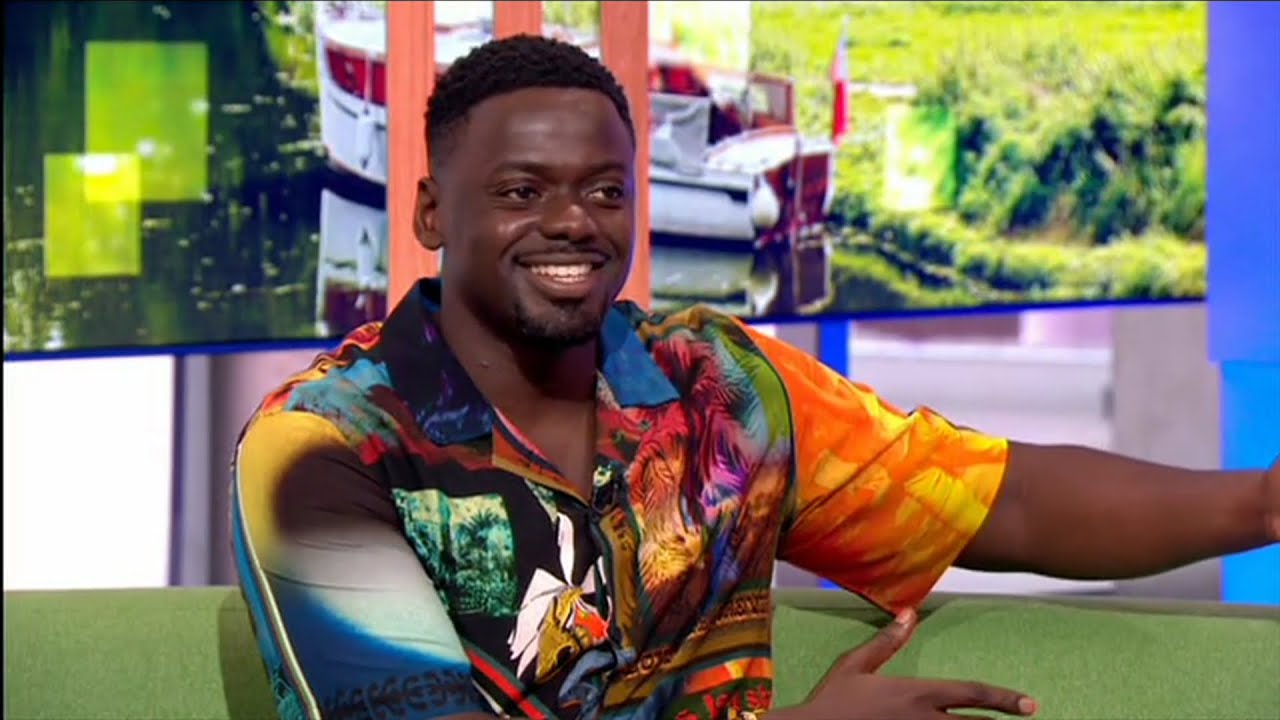
Early Life
Daniel Kaluuya was born on February 24, 1989, in London, to Ugandan parents who had immigrated to Britain. He grew up in the London Borough of Camden — a densely multicultural area of North London — raised largely by his mother, Damalie Namusoke, after his father remained in Uganda. He has spoken about his relationship with his father as something he processed partly through his performances: the experience of growing up without a consistent paternal presence shaped the emotional depth he brings to characters navigating complex forms of belonging and alienation.
He discovered acting through the Anna Scher Theatre in Islington, which has historically provided professional training to working-class talent without the financial barriers of traditional drama schools. Rather than pursuing the RADA-to-West End pipeline standard for British acting careers, Kaluuya’s path was community-rooted and self-directed. He wrote and contributed to scripts as a teenager, developing a writer’s understanding of narrative structure that informs his instincts as a performer. By his early teens he had an agent and was booking professional work — not through nepotism or luck but through the sheer quality of his presence when he walked into a room.
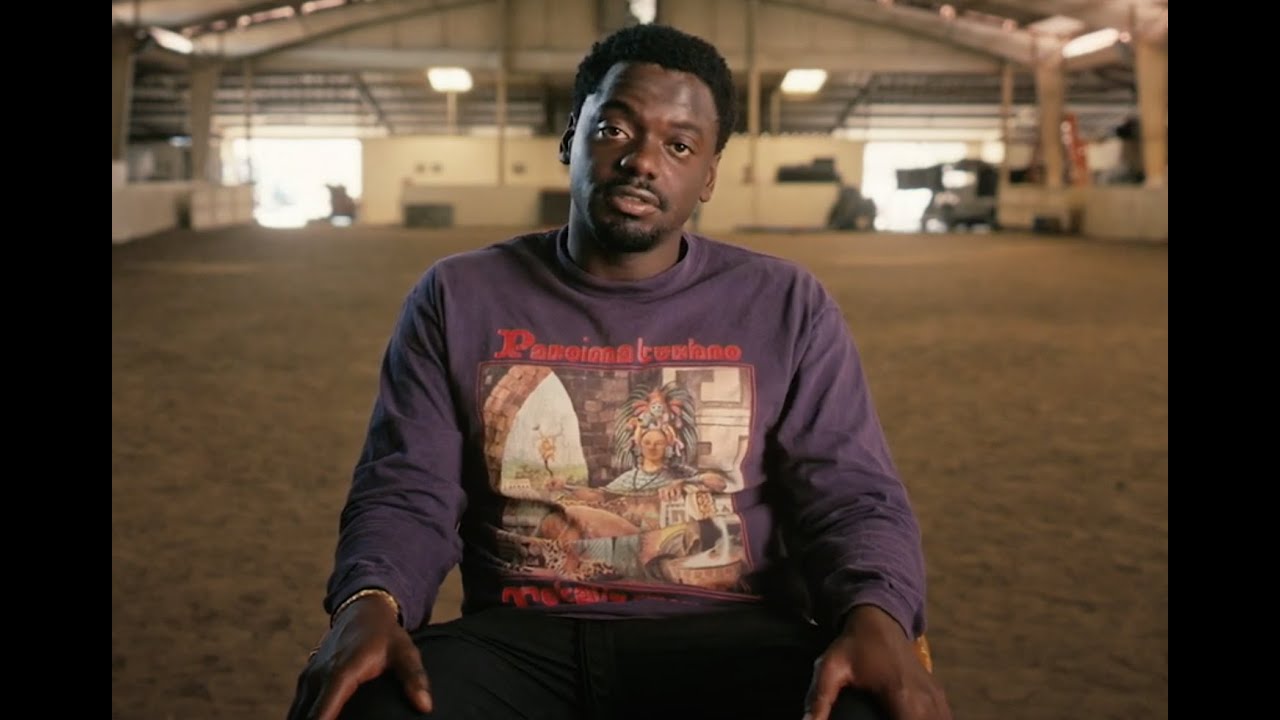
Personal Life
Kaluuya has been remarkably effective at maintaining a private personal life in an era when celebrity privacy is increasingly difficult to sustain. He acknowledged in 2022 that he had become a father, and both his child and partner’s identities have been consistently kept out of the public domain. He has described the desire to protect his child from the specific pressures of growing up in a public eye as the central reason for this approach.
His Catholic faith — inherited from his family’s Ugandan background — has been referenced occasionally in interviews, though he declines to discuss it in depth. His friendship with Jordan Peele has been one of the most creatively productive director-actor relationships of the past decade. He maintains a deep connection to his London roots and has spoken about not wanting his sense of self to become defined entirely by Hollywood success — a position that may explain the selective, quality-focused approach to his career that has made every credit feel like an event.
Little-Known Facts About Daniel Kaluuya
- He wrote and co-wrote episodes of Skins as a teenager — the show’s producers recognized his ear for authentic youth dialogue and gave him writing credits before he turned 20, an extraordinary distinction for a performer still in his teens.
- Jordan Peele specifically fought the studio’s preference for an American actor to cast Kaluuya in Get Out, arguing that an outsider’s perspective on American race relations would make the horror feel freshly observed rather than comfortably familiar — a creative instinct that proved decisive to the film’s impact.
- His Oscar acceptance speech for Judas and the Black Messiah — in which he thanked his parents by noting their love for each other was why he could exist on that stage — became one of the most-quoted Oscar moments of the decade, memorable for its raw gratitude and irreverent wit.
- He was the first Black British actor to win the Academy Award for Best Supporting Actor.
- Despite starring in films that have collectively grossed over $3 billion at the worldwide box office, he has described himself in multiple interviews as most at home watching football and spending time in Camden — an unusually grounded perspective for someone of his commercial box office standing.