A classically trained flamenco singer from a small town near Barcelona doesn’t fit the standard model for a global pop crossover. Rosalía — born Rosalía Vila Tobella — rewrote that model entirely. From her 2018 debut album El Mal Querer, which fused ancient flamenco traditions with contemporary production, to the 2022 genre-defying triumph MOTOMAMI, she has built one of the most distinctive careers in modern music — and a net worth estimated at $15 million to match it.

Walk Through the Article
Quick Facts
| Full Name | Rosalía Vila Tobella |
|---|---|
| Date of Birth | September 25, 1993 |
| Age | 32 years old |
| Birthplace | Sant Esteve Sesrovires, Barcelona, Spain |
| Nationality | Spanish |
| Profession | Singer, Songwriter, Music Producer |
| Net Worth (2026) | $15 Million |
| Known For | MOTOMAMI, El Mal Querer, “TQG” with Karol G, Grammy & Latin Grammy winner |
Frequently Asked Questions
What is Rosalía’s net worth in 2026?
Rosalía’s net worth is estimated at approximately $15 million as of 2026. Her wealth comes from streaming royalties and music sales from her catalogue — particularly MOTOMAMI and El Mal Querer — combined with touring revenue from the Motomami World Tour, brand endorsements, and her growing profile as a global pop artist. Some estimates place her net worth higher, up to $20–25 million, accounting for her rapidly escalating commercial profile since her Grammy sweep.
How did Rosalía get famous?
Rosalía gained international recognition with her 2018 album El Mal Querer, a flamenco-influenced project that won the Latin Grammy for Best Fusion/Urban Interpretation and received widespread critical acclaim. She broke further into the global mainstream with MOTOMAMI in 2022, which won four Latin Grammy Awards including Album of the Year and the Grammy Award for Best Latin Rock or Alternative Album — establishing her as one of the most creatively ambitious and commercially successful Spanish artists of her generation.
How many Grammy Awards has Rosalía won?
Rosalía has won two Grammy Awards (at the Recording Academy’s main ceremony) and twelve Latin Grammy Awards across her career, as of 2026. Her MOTOMAMI album won the Grammy for Best Latin Rock or Alternative Album, and she has received multiple Latin Grammy recognitions for both El Mal Querer and MOTOMAMI. She was also the first Spanish-singing artist ever nominated for Best New Artist at the Grammy Awards, in 2019.
What is Rosalía’s most famous song?
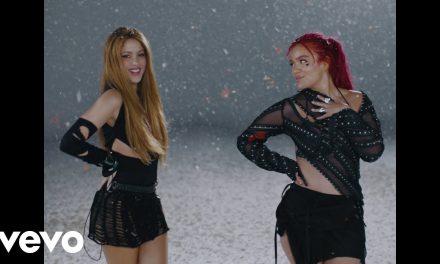
Rosalía’s most commercially successful song is “TQG” (Te Quiero Gratis), a collaboration with Colombian reggaeton star Karol G released in 2023. The song debuted at #1 on the Billboard Global 200 and broke streaming records in Latin music. Other highly recognised tracks include “Con Altura” (with J Balvin), “Malamente” from El Mal Querer, and “SAOKO” and “CHICKEN TERIYAKI” from MOTOMAMI.
Is Rosalía Spanish?
Yes — Rosalía was born and raised in Catalonia, Spain. She was born on September 25, 1993, in Sant Esteve Sesrovires, a small municipality near Barcelona. She studied flamenco at the Escola Superior de Música de Catalunya in Barcelona, where her classical training in a traditional Spanish art form became the foundation for her later genre-blending work.
Who has Rosalía collaborated with?
Rosalía has collaborated with a wide range of international artists, reflecting her position at the intersection of Latin music and global pop. Notable collaborations include “TQG” with Karol G, “Con Altura” with J Balvin, “Lo Vas A Olvidar” with Billie Eilish, “Saoko” features, and work with producers including El Guincho. She has also crossed into English-language pop and hip-hop contexts through sessions and features with artists including Travis Scott and James Blake.
Where does Rosalía live?
Rosalía has been based in the United States for much of her career’s peak period, primarily in New York and Los Angeles, which provide better access to the international music industry infrastructure her career requires. She maintains close ties to Spain and has spoken publicly about Catalonian culture and language as central to her artistic identity, even as her professional life has become increasingly global.
How Does Rosalía Make Her Money?
| Income Source | Estimated Amount | Type | Notes |
|---|---|---|---|
| Music Streaming & Sales | $1.5–2.5M/year | Annual (personal) | Catalogue across MOTOMAMI, El Mal Querer, singles; “TQG” with Karol G was a global #1 |
| Touring & Live Performances | $3–5M (career) | Cumulative (personal) | Motomami World Tour 2022–2023; festival appearances; personal take after production costs |
| Brand Partnerships & Endorsements | $1–2M/year | Annual (personal) | Fashion and luxury brand collaborations; elevated by Grammy visibility and global profile |
| Publishing & Songwriting | $300–500K/year | Annual (personal) | Publishing share of her songwriting catalogue, including high-stream collaborations |
| Estimated Total Net Worth | $15 Million (2026) | ||
Career Overview
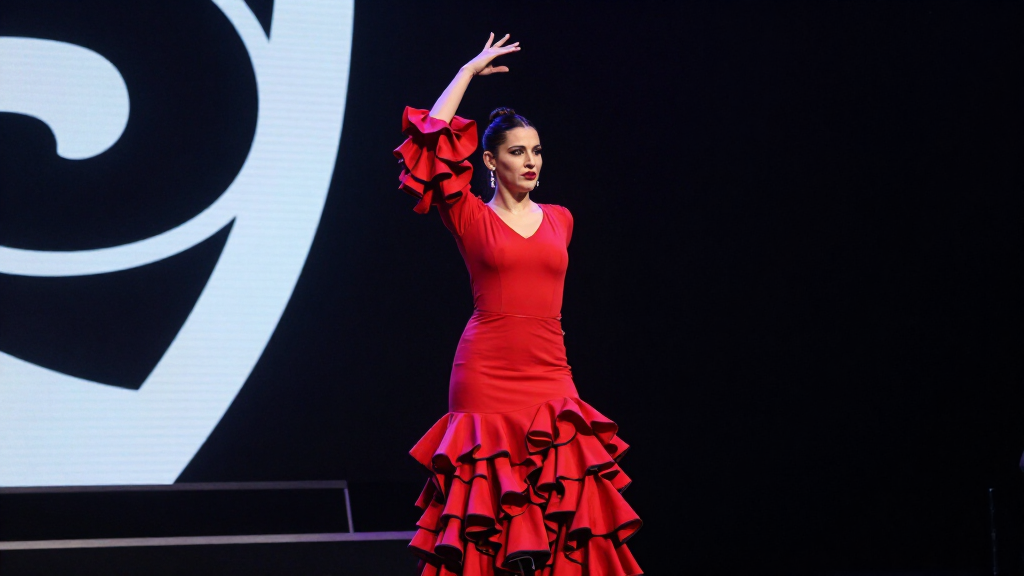
Rosalía began her formal musical training at the Escola Superior de Música de Catalunya, where she studied flamenco — a discipline that demands not just technical vocal ability but a command of palmas (clapping rhythms), footwork, and the emotional vocabulary of one of Spain’s oldest performing art traditions. This training gave her a technical foundation that most contemporary pop artists don’t possess, and it shaped the particular quality that critics would later struggle to describe: a voice and approach that sounds simultaneously ancient and entirely new.
Her debut album Los Ángeles, released in 2017, was a traditional flamenco record — accomplished but not yet the disruptive statement that El Mal Querer would be. It was followed in 2018 by El Mal Querer, a concept album based on a 13th-century Occitan novel, Flamenca. The album fused classical flamenco structure with electronic production from her longtime collaborator El Guincho, creating something that had no obvious reference point in contemporary music. It won the Latin Grammy for Best Fusion/Urban Interpretation and the Latin Grammy for Best Contemporary Fusion/Urban Interpretation album, and it made Rosalía one of the most discussed new artists in music criticism on both sides of the Atlantic.
The Grammy nomination for Best New Artist in 2019 — the first time a Spanish-language act had received that nomination — confirmed her crossover credentials. Subsequent years brought high-profile collaborations: “Con Altura” with J Balvin became a commercial hit that demonstrated her ability to operate in reggaeton territory without abandoning her artistic identity. “Lo Vas A Olvidar” with Billie Eilish in 2021 brought her to a different segment of the English-language pop audience.

MOTOMAMI, released in March 2022, was the album that answered the question of whether El Mal Querer was a remarkable debut or the beginning of a genuinely transformative career. The answer was emphatically the latter. The album discarded flamenco almost entirely in favour of a maximalist, fragmented approach that jumped between reggaeton, electronic, bulerias, and pure pop with a confidence that could only come from an artist who had fully absorbed every genre she was working with. It won four Latin Grammy Awards including Album of the Year, and the Grammy for Best Latin Rock or Alternative Album. The Motomami World Tour that followed was her most ambitious live undertaking, bringing the album’s visual and sonic ambition to arenas and festivals globally.
In 2023, “TQG” — a collaboration with Karol G — debuted at #1 on the Billboard Global 200 and broke streaming records in Latin music, adding a commercial credential to her critical reputation and substantially expanding her audience.
Early Life
Rosalía Vila Tobella was born on September 25, 1993, in Sant Esteve Sesrovires, a small municipality in the comarca of Baix Llobregat, about 30 kilometres southwest of Barcelona. She grew up in a Catalan family with deep ties to the region’s culture and language, and has spoken about Catalonian identity as a formative influence. Her early exposure to music came through her family — her grandfather played guitar — but her formal commitment to flamenco began as a teenager when she started studying the form seriously, eventually leading her to the Escola Superior de Música de Catalunya.
Personal Life
Rosalía has maintained a relatively private personal life given the scale of her public profile. She has been in a relationship with Puerto Rican reggaeton artist Rauw Alejandro, a pairing that attracted significant media attention given both artists’ prominence in Latin music. The relationship has been publicly acknowledged by both artists. Rosalía has spoken about the challenges of maintaining personal life and creative autonomy within the structures of contemporary celebrity, and her artistic output consistently prioritises artistic vision over commercial accessibility — a stance that has earned her the loyalty of critics and a particularly dedicated fanbase.
Little-Known Facts About Rosalía
- She studied flamenco formally at Barcelona’s Escola Superior de Música de Catalunya — a classical music institution — giving her a technical foundation in one of Spain’s most demanding vocal and performance traditions before she began her recording career.
- Her debut album Los Ángeles (2017) was essentially a traditional flamenco record, making the genre-defying ambition of El Mal Querer (2018) all the more remarkable as a creative leap.
- She was the first Spanish-singing artist ever nominated for Best New Artist at the Grammy Awards, in 2019 — a recognition of the international reach El Mal Querer achieved in its first year.
- “TQG” with Karol G debuted at #1 on the Billboard Global 200, making it one of the highest-charting Latin collaborations in the chart’s history and demonstrating that Rosalía’s appeal extends well beyond the critical recognition that first made her name.
- MOTOMAMI’s concept was developed during the COVID-19 pandemic lockdowns, and the album’s fragmented, maximalist structure reflects the interrupted and recombinant quality of that period — something Rosalía has discussed in interviews as a direct influence on the album’s creative approach.
https://www.youtube.com/watch?v=HbJZ7K9Hpg8