Walk Through the Article
Daymond John Net Worth: The Numbers Behind “The People’s Shark”
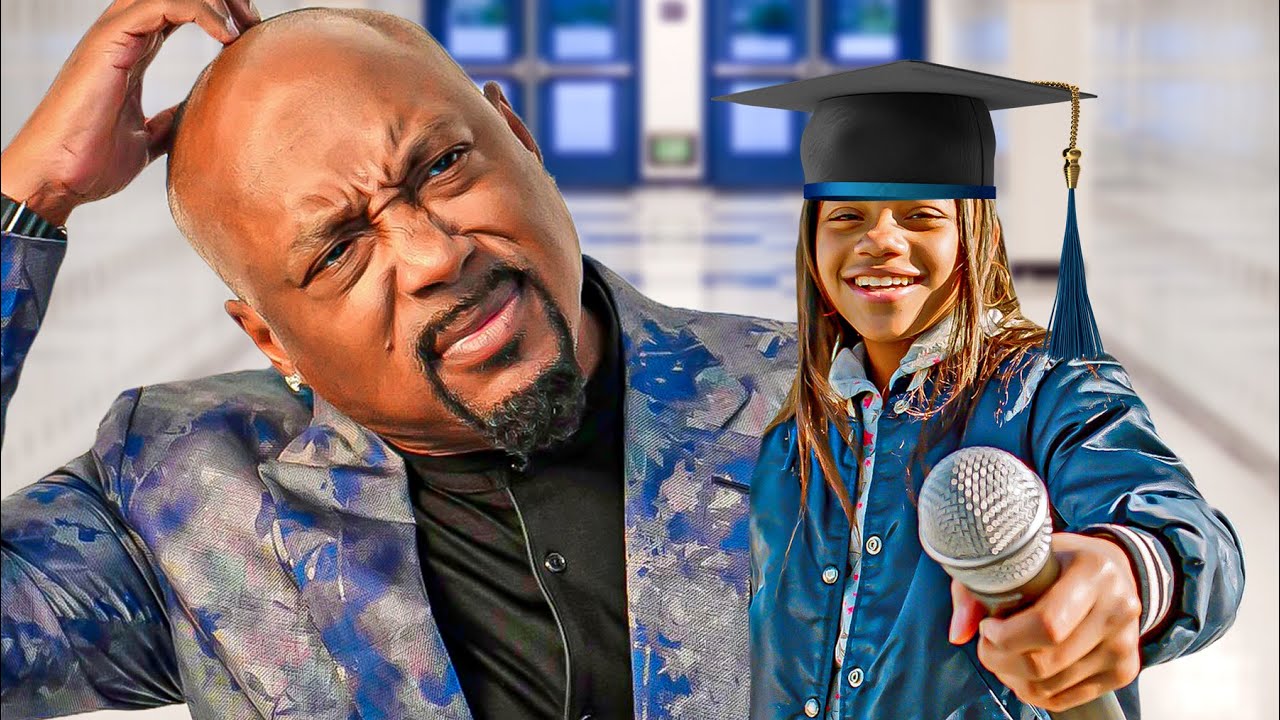
$6 billion in total FUBU sales. $350 million personal net worth. 1 season on Shark Tank — from Season 1 (2009) through today. These are the defining numbers of Daymond John’s remarkable career: a kid from Hollis, Queens who turned a sewing machine in his mother’s house into one of the most recognized brands in hip-hop history, and then reinvented himself as one of the most beloved investors on America’s most-watched entrepreneurship show.
Daymond John Quick Facts
| Full Name | Daymond Garfield John |
| Date of Birth | February 23, 1969 |
| Age | 57 years old |
| Birthplace | Hollis, Queens, New York, USA |
| Nationality | American |
| Height | 5 ft 10 in (177 cm) |
| Partner | Heather Taras |
| Children | Destiny John, Yasmeen John, Minka John |
| Education | Bayside High School, Queens |
| Occupation | Entrepreneur, investor, author, TV personality |
| Companies | FUBU, The Shark Group, Shark Branding |
| Net Worth (2026) | ~$350 million |
Daymond John Net Worth Breakdown (2026)
| Income Source | Type | Estimated Value |
|---|---|---|
| FUBU Brand Value & Licensing | Brand/IP | ~$200 million |
| The Shark Group / Shark Branding | Business | ~$70 million |
| Shark Tank Investment Portfolio | Investments | ~$50 million |
| Speaking Fees & Consulting | Speaking | ~$15 million |
| Book Royalties & Media | Media | ~$10 million |
| Other Ventures | Investments | ~$5 million |
| Total Estimated Net Worth | ~$350 million |
It’s worth noting that Daymond John’s wealth is closely tied to the value of the FUBU brand — the clothing company that made him famous. While FUBU is not as dominant in the retail market as it was in its early-2000s peak, the brand retains significant licensing value, particularly in global markets, and John has strategically expanded into brand consulting, celebrity marketing, and speaking.
The FUBU Origin: Sewing Hats in His Mother’s House
Daymond John grew up in Hollis, Queens, in a working-class neighborhood that produced some of hip-hop’s most iconic figures, including LL Cool J and Run-DMC. His mother was a flight attendant who worked long hours; his father was largely absent from his life. After graduating from Bayside High School, John decided not to attend college, instead focusing on building a business.
In 1992, he began sewing wool hats in his bedroom and selling them on the streets of Hollis. The hats were emblazoned with “FUBU” — which stood for “For Us, By Us” — a declaration of Black cultural pride and a marketing message aimed directly at the hip-hop community. John and his childhood friends J. Alexander Martin, Keith Perrin, and Carlton Brown formed the company together.
The turning point came when Daymond convinced his friend LL Cool J — who was shooting a Gap commercial — to wear a FUBU hat and rap the brand name in the commercial’s background. This bit of guerrilla marketing put FUBU in front of a national television audience without paying a cent in advertising. The move is now studied in business schools as one of the most creative and effective grassroots marketing campaigns in fashion history.
FUBU’s $6 Billion Empire
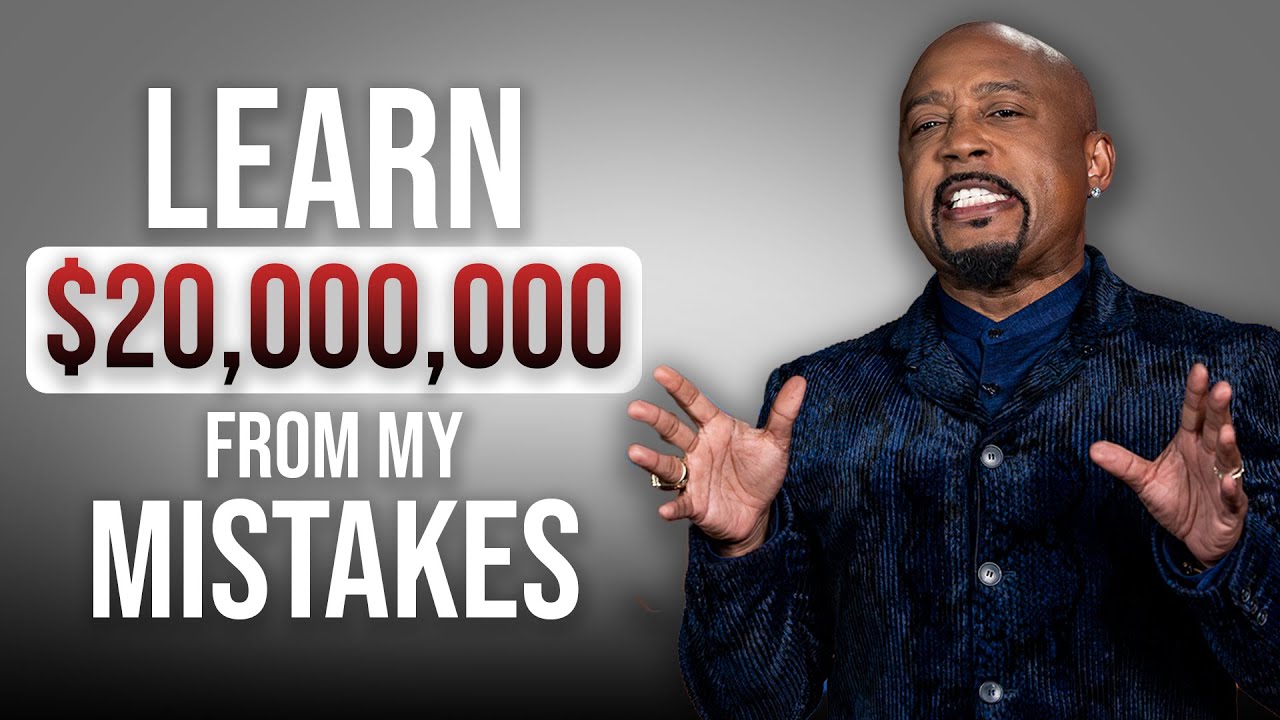
By the late 1990s, FUBU was one of the fastest-growing clothing brands in the world. The company secured a $300,000 loan from HSBC — using his mother’s house as collateral — and landed in Macy’s, completing a Las Vegas trade show deal worth $300,000 in its first day. FUBU reached peak revenues of approximately $350 million annually at its height, with global distribution across dozens of countries.
Over its lifetime, FUBU has generated an estimated $6 billion in total global sales — a remarkable achievement for a brand that started with four friends sewing hats in a basement. While the brand faded from its early-2000s dominance as hip-hop fashion evolved, it has experienced multiple revivals and maintains strong licensing partnerships in Asian markets, particularly Japan and South Korea, where FUBU’s original aesthetic remains culturally resonant.
Shark Tank and Brand Consulting: The Second Act
When Shark Tank premiered in 2009, Daymond John was one of the five original Sharks, and he has remained one of the show’s most consistent and respected investors. His focus on the fashion, lifestyle, and retail sectors aligns naturally with his FUBU background, and he has invested in dozens of companies across those categories over the show’s run.
Beyond Shark Tank, John built The Shark Group (formerly Shark Branding), a brand management and consulting firm that works with celebrities and established brands to amplify their marketing impact. The firm has represented clients including Pitbull, Jabbawockeez, and various consumer brands. This consulting arm generates significant recurring revenue that complements the more variable returns from FUBU licensing and Shark Tank investments.
Cancer Diagnosis and Resilience
In 2017, Daymond John revealed that he had been diagnosed with thyroid cancer. He underwent a thyroidectomy (removal of the thyroid gland) and treated the condition successfully. He has spoken publicly about the experience, noting that the diagnosis prompted him to redouble his focus on health, wellness, and the things that matter most. His openness about the experience has made him a figure of resilience and authenticity, deepening the connection he has with his audience and business community.

Frequently Asked Questions About Daymond John
What is Daymond John’s net worth in 2026?
Daymond John’s net worth in 2026 is estimated at approximately $350 million. This figure reflects the value of the FUBU brand and its licensing agreements, his consulting firm The Shark Group, his Shark Tank investment portfolio, speaking fees, and book royalties. Celebrity Net Worth and other financial publications consistently place him in the $300M–$400M range, with $350 million being the most commonly cited estimate.
What does FUBU stand for?
FUBU stands for “For Us, By Us.” Daymond John coined the phrase in 1992 as an expression of Black cultural pride and a direct marketing message to hip-hop consumers. The acronym became the brand name for his clothing company, which grew from a basement operation in Queens into a $6 billion global fashion brand. The brand’s name is part of what made it resonate so powerfully with its target demographic — it wasn’t just clothing, it was a cultural statement.
How did Daymond John start FUBU?
Daymond John started FUBU in 1992 by sewing wool hats in his mother’s house in Hollis, Queens, and selling them on the street. He and his childhood friends J. Alexander Martin, Keith Perrin, and Carlton Brown built the brand through grassroots marketing, including a famous move where they convinced LL Cool J to wear a FUBU hat and name the brand in a Gap commercial. The brand’s organic connection to the hip-hop community drove rapid growth, leading to a $300,000 bank loan, entry into major retailers, and eventually $6 billion in global lifetime sales.
What businesses does Daymond John own besides FUBU?
Beyond FUBU, Daymond John owns and operates The Shark Group (formerly Shark Branding), a brand management and consulting firm representing celebrities and consumer brands. He also maintains an active investment portfolio through his Shark Tank deals, has written several bestselling books including “Rise & Grind” and “Powershift”, and runs a business mentorship platform called Mogul. His speaking business — where he commands fees for keynote appearances at corporate events and conferences — is also a significant income stream.
Did Daymond John have cancer?
Yes, Daymond John was diagnosed with thyroid cancer in 2017. He underwent a thyroidectomy and successfully treated the condition. He has spoken publicly about the experience multiple times, noting it prompted personal reflection and a renewed focus on health and purpose. The cancer was detected early, contributing to the successful outcome, and John has since advocated for regular health screenings.
Is Daymond John a billionaire?
No, Daymond John is not a billionaire. His estimated net worth of approximately $350 million places him firmly in the multi-millionaire category, but well short of billionaire status. While FUBU generated $6 billion in total global sales over its lifetime, the profits from that revenue were shared across the business structure, and much of the brand’s peak value dates to the early 2000s. His consulting and Shark Tank income have maintained and grown his wealth since then, but have not propelled him into billionaire territory.
The $350 Million Legacy of “For Us, By Us”
Daymond John’s $350 million story is ultimately a story about identity, community, and the power of authentic marketing. By creating a brand that spoke directly to its audience — and had the credibility to back it up — he built something that transcended mere clothing and became a cultural artifact. His subsequent career as one of Shark Tank’s original and most enduring investors has only deepened that legacy, adding new chapters to a story that began with four friends, some fabric, and a sewing machine in Hollis, Queens.