Walk Through the Article
Waje Net Worth 2026: $1.7 Million
Waje’s net worth is estimated at approximately $1.7 million as of 2026. Nigeria’s “Queen of Emotion” — whose stage name literally stands for “Words Aren’t Just Enough” — built this fortune across nearly two decades of soulful R&B, powerful collaborations, and a reputation that commands respect from peers and audiences alike. She earned her first major recognition through her 2008 collaborations with P-Square, and has never stopped releasing music that hits the emotional nerve.
| Full Name | Aituaje Iruobe |
|---|---|
| Date of Birth | September 1, 1980 |
| Age | 45 years old |
| Place of Birth | Akure, Ondo State, Nigeria |
| Nationality | Nigerian |
| Education | University of Nsukka (Social Work) |
| Stage Name Meaning | Words Aren’t Just Enough |
| Profession | Singer, Songwriter |
| Net Worth | $1.7 Million (2026 estimate) |
| Known For | “Omoge Mi” with P-Square, “I Wish”, “Onye” ft. Tiwa Savage |

Net Worth Breakdown
| Income Source | Estimated Amount | Type | Notes |
|---|---|---|---|
| Music Sales & Streaming | $200K–$350K/year | Annual (personal) | Royalties across a large back catalogue spanning nearly two decades |
| Live Performances | $150K–$300K/year | Annual (personal) | Corporate events, concerts, weddings — Waje commands premium rates as a vocalist |
| Brand Endorsements | $100K–$200K/year | Annual (personal) | Brand partnerships leveraging her credibility as a respected Nigerian cultural figure |
| Speaking & Advocacy | $50K–$100K/year | Annual (personal) | Motivational speaking, advocacy appearances, media engagements |
| Estimated Total Net Worth | $1.7 Million (2026) | ||
Early Life and Musical Upbringing
Aituaje Iruobe was born on September 1, 1980, in Akure, Ondo State, Nigeria. Music came to her through her mother — a celebrated vocalist in their local church choir. Growing up surrounded by hymns, gospel harmonies, and the powerful voice of a mother who sang for a congregation, Waje absorbed both the technique and the emotional commitment that would define her adult artistry.
She pursued formal education at the University of Nsukka, where she studied Social Work — a discipline that perhaps reinforced her empathetic approach to songwriting. The desire to understand human emotion, pain, joy, and connection that underpins social work runs through her music consistently.
Career and Rise to Fame
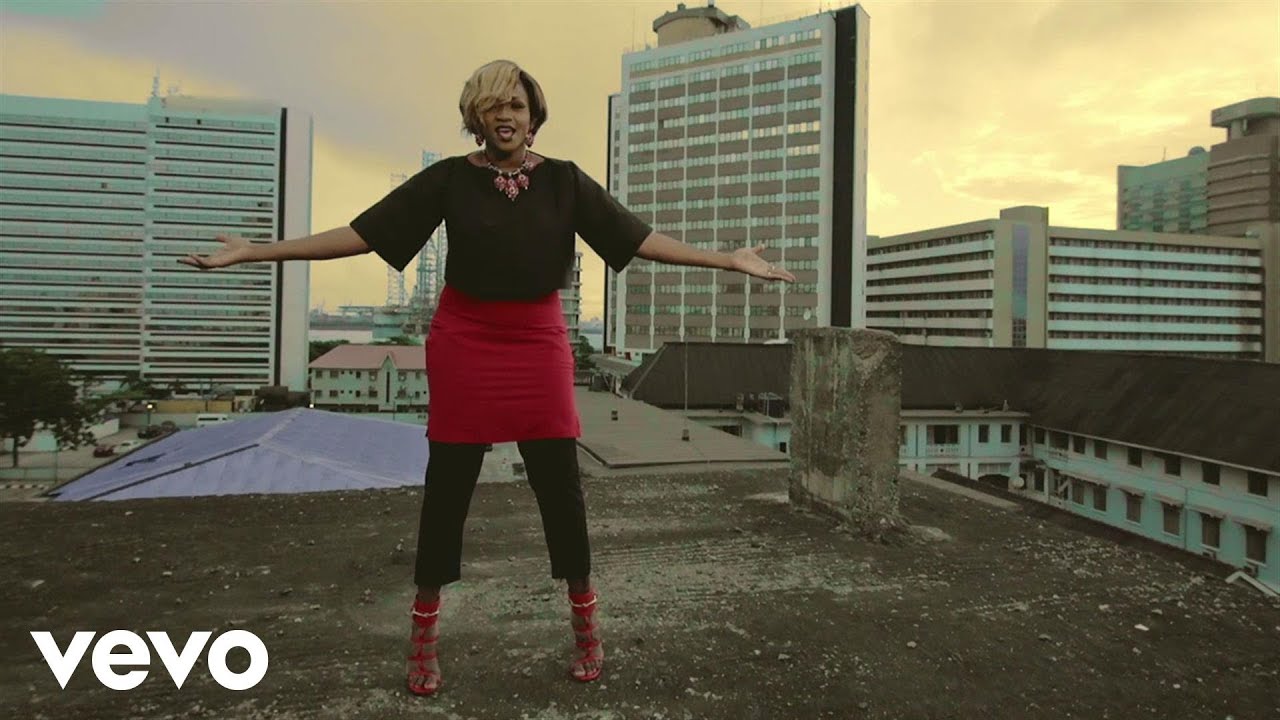
Waje’s national breakthrough came in 2008 through her collaborations with P-Square — the acclaimed Nigerian twin duo. Her features on “Omoge Mi” and “Do Me” gave her exposure to P-Square’s massive fanbase and introduced her distinctive soulful voice to millions of Nigerian listeners who had not previously encountered her work.
That exposure launched her solo career in earnest. She released a series of singles that demonstrated her ability to carry emotion through melody and vocal control. “I Wish” became one of her signature tracks — a song that showcased the upper range of her voice and her ability to communicate longing and vulnerability in ways that resonated deeply with audiences.
Her collaboration catalogue grew to include some of Nigeria’s biggest names. “Onye” featuring Tiwa Savage paired two of Nigeria’s most celebrated female voices in a song that became a cultural touchstone. Her collaboration with Patoranking on “Left For Good” showed her willingness to cross genre lines — bringing her soulful R&B identity into a dancehall-influenced production without losing herself in the process.
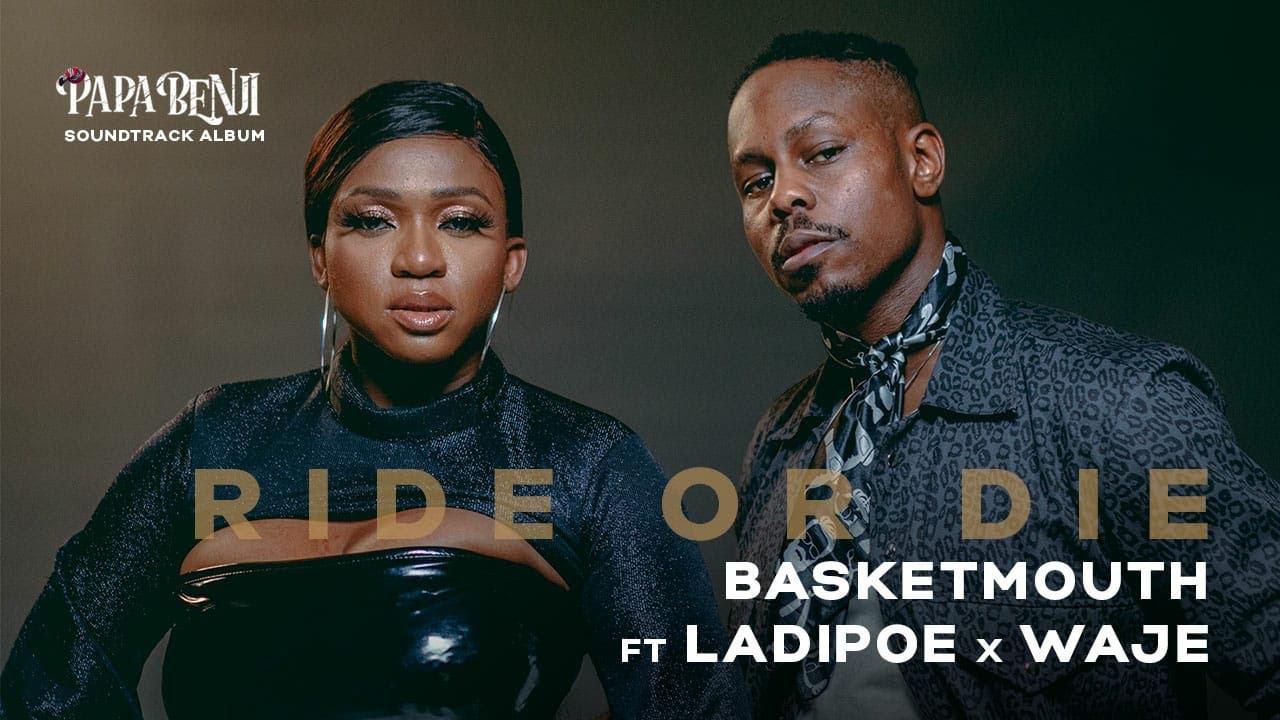
The collaboration with Basketmouth on “Ride or Die” alongside Ladipoe demonstrated her continued cultural relevance and her ability to work across the comedy-music crossover space that Basketmouth inhabits. More recently, “So Inspired” with Muna showed an artist still releasing, still searching, and still emotionally engaged with her craft.

Legacy as the Queen of Emotion
Waje holds a unique position in Nigerian music. She is what industry insiders call a “singer’s singer” — an artist whose peers and fellow musicians hold in the highest regard even when mass chart success proves elusive. Her voice is considered one of the finest in Nigerian R&B history, and her ability to convey genuine emotion through melody has made her a fixture in conversations about Nigerian music’s finest vocalists.
She has navigated nearly two decades in an industry that constantly pivots toward new sounds and new faces, maintaining her relevance through artistic integrity rather than trend-chasing. This longevity is itself a form of success that translates into financial stability — a large back catalogue of streamed music, a reputation that commands premium performance fees, and the kind of brand credibility that attracts endorsement partners seeking authenticity.
Waje’s Influence on Nigerian Female Artistry
In a Nigerian music landscape that has historically centered male artists — from Fela Kuti’s Afrobeats legacy to the dominance of male Afropop acts — Waje has occupied an important space alongside artists like Tiwa Savage, Yemi Alade, and Simi as one of the women who refused to be relegated to the background. Her career predates the current era of female Nigerian music visibility, and in some ways she laid emotional and artistic groundwork that younger female artists have benefited from.
What distinguishes Waje from many of her contemporaries is the gospel and soul tradition from which she draws. Her voice carries the weight of sacred music — the conviction, the breath control, the emotional transparency that comes from singing not just to entertain but to communicate something true. This makes her music age well in a way that purely trend-driven releases often do not.
Her willingness to collaborate across generations — working with acts as different as Tiwa Savage, Patoranking, Ladipoe, and Basketmouth — demonstrates the versatility that has kept her relevant across multiple eras of Nigerian popular music. Each collaboration introduces her to new audiences while reaffirming her status for those who have followed her career from the beginning.
Waje has also spoken publicly about the challenges of being a woman in Nigerian entertainment — the pressure to conform to certain aesthetic standards, the way female artists are often valued for their appearance as much as their artistry, and the importance of maintaining authenticity in an industry that can reward compromise. These conversations, conducted in interviews and on social media, have added a dimension of cultural significance to her public profile that extends beyond music.
Personal Life
Waje is a mother and has been open about her experiences navigating motherhood alongside a demanding music career. She has spoken in interviews about faith, resilience, and the importance of authentic emotional expression — themes that run directly through her music. She has remained relatively private about her romantic relationships while being openly vocal about her experiences as a woman in the Nigerian entertainment industry.
Net Worth History
Waje’s financial trajectory spans a long arc. In the mid-to-late 2000s following her P-Square collaborations, her earnings were growing but modest. Through the 2010s, consistent releases and high-profile collaborations built a royalty base and performance income that has compounded over time. Estimates in the early 2020s placed her net worth around $1 million. By 2026, her accumulated earnings across music, performances, endorsements, and advocacy work push estimates to approximately $1.7 million — respectable for an artist who has never had a streaming-era viral moment but has built steadily over nearly twenty years.
Little-Known Facts About Waje
- Her stage name “Waje” is an acronym: Words Aren’t Just Enough — a statement of artistic philosophy baked into her identity.
- Her mother’s role as a church choir vocalist was the primary musical influence of her early life.
- She studied Social Work at the University of Nsukka before transitioning to full-time music.
- She is described by fellow Nigerian artists as a “singer’s singer” — a phrase that signals peer-level respect beyond just fan popularity.
- Her 2008 P-Square collaborations “Omoge Mi” and “Do Me” were the launchpad for her solo career, introducing her voice to millions of Nigerian music listeners.
What is Waje’s net worth in 2026?
Waje’s net worth is estimated at approximately $1.7 million as of 2026. This reflects nearly two decades of music releases, streaming royalties, live performances, brand endorsements, and her status as one of Nigeria’s most respected female vocalists.
How did Waje get famous?
Waje gained national recognition through her 2008 collaborations with P-Square on “Omoge Mi” and “Do Me.” These features introduced her soulful voice to millions of listeners and launched her solo career, which she has sustained through consistent releases and high-profile collaborations ever since.
Is Waje married?
Waje is a mother but has kept the details of her romantic relationships relatively private. She has spoken openly about motherhood and about navigating the entertainment industry as a woman, but has not publicly confirmed marriage details.
What does Waje stand for?
Waje is an acronym that stands for “Words Aren’t Just Enough” — a statement that reflects her artistic philosophy. For Waje, music communicates what language alone cannot, and her stage name is a direct declaration of that belief.
What is Waje’s real name?
Waje’s real name is Aituaje Iruobe. She was born on September 1, 1980, in Akure, Ondo State, Nigeria.
What is Waje’s most famous song?
Waje is perhaps best known for “I Wish” and her collaborations with P-Square (“Omoge Mi”, “Do Me”). Her duet “Onye” with Tiwa Savage is also one of her most celebrated tracks, pairing two of Nigeria’s finest female voices.
How old is Waje?
Waje was born on September 1, 1980, making her 45 years old as of 2026.