George Lucas is the billionaire filmmaker who created Star Wars and Indiana Jones — two of the most profitable entertainment franchises in history. His net worth is estimated at $5.5 billion in 2026, making him one of the wealthiest people in the entertainment industry. When he sold Lucasfilm to Disney for $4.05 billion in 2012, he pledged the majority of the proceeds to educational philanthropy — a legacy-defining decision that continues to shape how he is remembered.
| Full Name | George Walton Lucas Jr. |
|---|---|
| Date of Birth | May 14, 1944 |
| Age | 81 years old |
| Nationality | American |
| Profession | Filmmaker, Producer, Screenwriter, Entrepreneur |
| Net Worth | $5.5 Billion (2026) |
| Spouse | Mellody Hobson (m. 2013) |
| Known For | Star Wars, Indiana Jones, ILM, Lucasfilm |

Walk Through the Article
Frequently Asked Questions
What is George Lucas’s net worth in 2026?
George Lucas’s net worth is estimated at approximately $5.5 billion in 2026. The majority of his wealth came from the $4.05 billion sale of Lucasfilm to Disney in 2012. He also holds significant assets through Skywalker Ranch, real estate holdings, and his Hobson/Lucas Foundation. Importantly, Lucas has pledged to donate the bulk of his fortune to his charitable foundation focused on education.
How did George Lucas make his money?
George Lucas made his fortune primarily through three sources: the Star Wars franchise (which he retained full merchandising rights to from day one — a revolutionary decision that made him hundreds of millions), the Indiana Jones franchise (co-created with Steven Spielberg), and the 2012 sale of Lucasfilm to Disney for $4.05 billion. He also co-founded Industrial Light and Magic (ILM), the visual effects company responsible for transforming Hollywood effects technology, which was included in the Lucasfilm sale.
Did George Lucas regret selling Star Wars to Disney?
George Lucas has given mixed signals on the Disney sale in public statements. He initially described it as passing the torch to a new generation, but later expressed frustration in a 2015 interview where he compared Disney to “white slavers” — a comment he subsequently apologized for. He has indicated that the new films moved in a different direction than the sequels he had planned. While publicly supportive of Disney’s efforts, his creative disagreements with the new direction are well-documented.
What is George Lucas doing in 2026?
In 2026, George Lucas remains focused primarily on philanthropy through the Hobson/Lucas Foundation. He continues work on his long-gestating passion project: a museum in Los Angeles (the Lucas Museum of Narrative Art) dedicated to the art of visual storytelling. He also remains involved in advisory capacities with select entertainment projects and continues his interest in educational reform, particularly for underrepresented communities.
How much did George Lucas make from Star Wars merchandise?
George Lucas’s decision to retain full merchandise rights for Star Wars in 1977 — in exchange for a lower directing fee — became one of the most valuable business decisions in entertainment history. Star Wars merchandise has generated over $20 billion in retail sales since 1977. Lucas personally received an estimated 5-20% of those revenues through Lucasfilm over the decades, making merchandise a multi-billion dollar income stream that dwarfed his film fees.
Is George Lucas a billionaire?
Yes, George Lucas is a billionaire. His net worth is estimated at $5.5 billion in 2026, primarily derived from the $4.05 billion Lucasfilm sale to Disney in 2012. He has pledged to give the majority of his fortune to his educational foundation, but his current holdings in real estate, investments, and his foundation still place him firmly in billionaire territory.
Who are George Lucas’s children?
George Lucas has four children: Amanda Lucas (adopted 1981), Katie Lucas (adopted 1988), and Jett Lucas (adopted 1994) from before his current marriage, and Everest Hobson Lucas (born 2013), his biological daughter with his wife Mellody Hobson. Amanda Lucas has appeared in several Star Wars films as an actress.
What is the Lucas Museum of Narrative Art?
The Lucas Museum of Narrative Art is a planned museum in Los Angeles dedicated to the art of visual storytelling — including cinema, illustration, comic art, and digital imagery. After years of contested proposals in Chicago and San Francisco, it found a permanent home in Exposition Park, Los Angeles. The museum is funded by Lucas and represents his vision of making narrative visual art accessible to the public.
| Income Source | Estimated Amount | Type | Notes |
|---|---|---|---|
| Lucasfilm Sale to Disney | $4.05 Billion | One-time (personal) | 2012 sale; Lucas received Disney stock which has appreciated |
| Star Wars Merchandising (historical) | $500M+ | Cumulative | Pre-2012 merchandising royalties; retained rights from 1977 deal |
| Film Directing/Producing Fees | $100M+ | Cumulative | Star Wars Episodes I-VI, Indiana Jones series (co-producer) |
| Skywalker Ranch & Real Estate | $350M+ est. | Cumulative | Marin County property holdings; Skywalker Sound facility |
| Investment Returns | Ongoing | Annual (personal) | Disney stock dividends and capital appreciation since 2012 |
| Estimated Total Net Worth | $5.5 Billion (2026) | ||
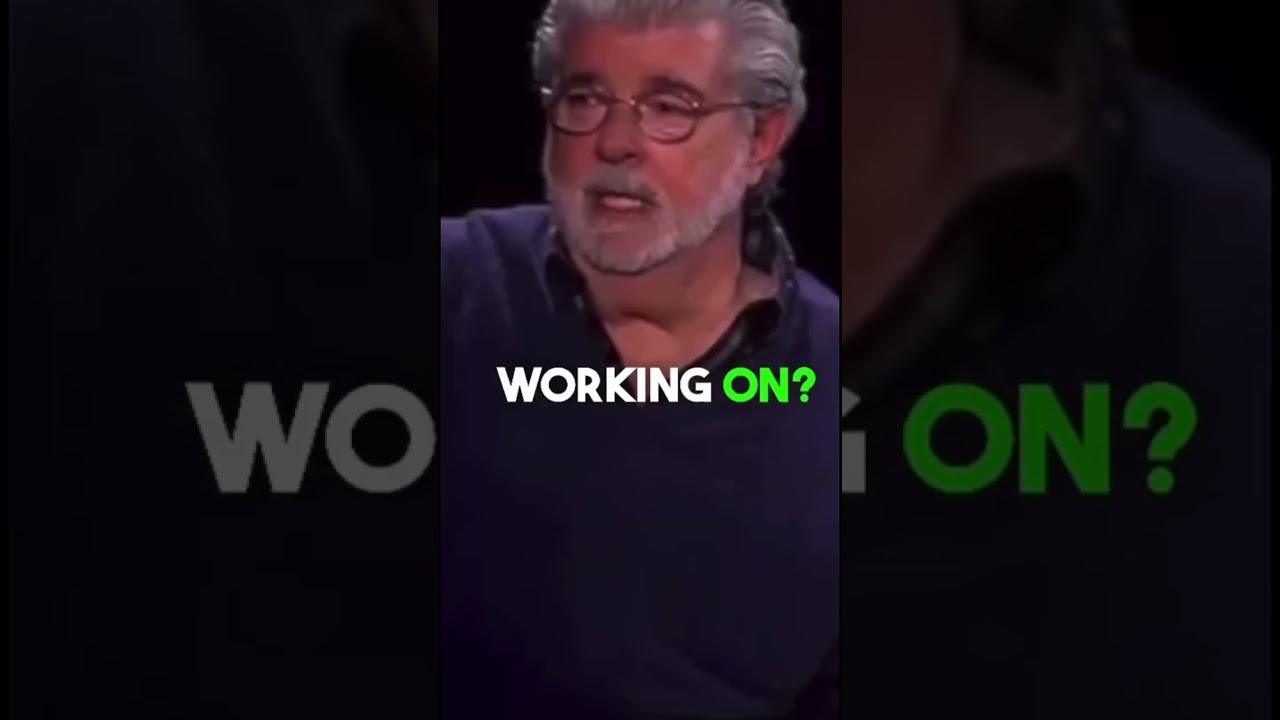
Career Overview: Building the Star Wars Empire
George Lucas was born May 14, 1944 in Modesto, California. A passion for cars and racing led him toward photography and film, and after studying at USC Film School, he directed his debut feature THX 1138 (1971) — a dark sci-fi vision that found a cult audience. American Graffiti (1973) was his commercial breakthrough, earning five Academy Award nominations and over $115 million on a $775,000 budget.
But it was Star Wars (1977) that changed cinema forever. Lucas wrote and directed the film after Fox gave him complete creative control in exchange for him waiving his directing fee — and crucially, retaining full sequel rights and all merchandising rights. When Star Wars became the highest-grossing film in history at the time, those merchandise rights generated revenues that no one could have predicted. By 1980, the Star Wars toy line alone had earned Kenner (and by extension Lucas) over $1 billion in retail sales.
Lucas directed the original trilogy, then stepped back to produce the Indiana Jones series with Steven Spielberg (Raiders, Temple of Doom, Last Crusade, Kingdom of the Crystal Skull). He returned to direct the prequel trilogy (Episodes I-III, 1999-2005), which grossed over $2.5 billion combined despite mixed critical reception. In 2012, recognizing that the franchise needed new stewardship and wanting to focus on philanthropy, he sold Lucasfilm — including Star Wars, Indiana Jones, and ILM — to Disney for $4.05 billion in Disney stock.
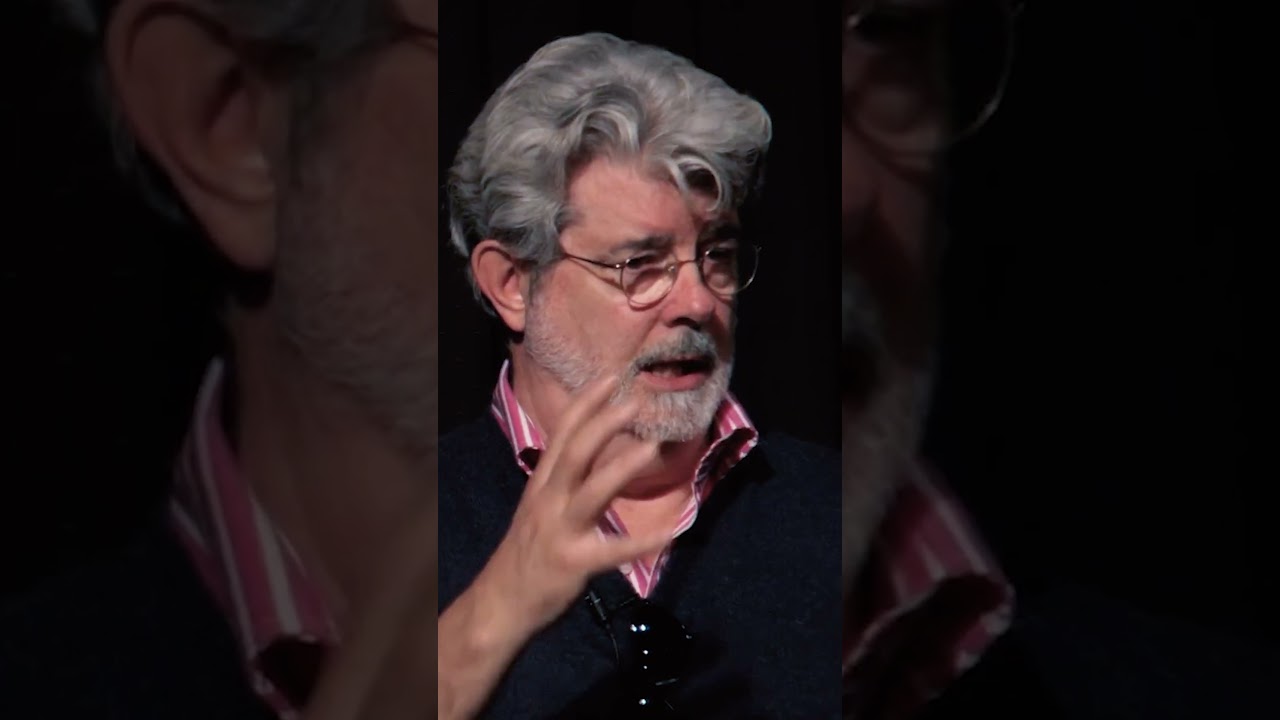
Philanthropy: The $4 Billion Pledge
Perhaps the most underreported aspect of George Lucas’s story is his philanthropic commitment. Following the Disney sale, he pledged the majority of the $4.05 billion proceeds to his educational foundation. Through the Hobson/Lucas Foundation, he and wife Mellody Hobson (President and Co-CEO of Ariel Investments) focus on educational equity for underrepresented youth. Lucas has described this as his most important legacy — more significant than any film.
Personal Life
Lucas was married to film editor Marcia Griffin from 1969 to 1983. They divorced after American Graffiti and Return of the Jedi. He raised three adopted children as a single father before marrying Mellody Hobson in 2013. Their daughter Everest was born the same year. Lucas and Hobson maintain residences at Skywalker Ranch in Marin County, California.
Little-Known Facts About George Lucas
- He nearly died in a car accident days before his high school graduation in 1962 — the near-death experience, he says, changed his perspective on life entirely.
- He co-founded Pixar’s origins: the computer graphics division he sold to Steve Jobs in 1986 became Pixar Animation Studios.
- He was rejected from the U.S. Air Force Academy due to too many speeding tickets before turning to film.
- The Ewok characters in Return of the Jedi were partly inspired by the Viet Cong — underdogs using primitive weapons to defeat a technologically superior empire.
- He turned down the opportunity to direct Raiders of the Lost Ark, preferring to produce so he could focus on the Star Wars prequels.
Industrial Light and Magic: The Technology Legacy
When George Lucas founded Industrial Light and Magic (ILM) in 1975 to create effects for the original Star Wars that simply did not exist, he inadvertently created the most influential visual effects company in film history. ILM has contributed to over 300 feature films since 1975 and has won 15 Academy Awards for Best Visual Effects. Technologies developed at ILM — including digital compositing, CGI characters, and performance capture — fundamentally changed what cinema could look like. The Abyss, Terminator 2, Jurassic Park, and The Matrix all built on foundations laid at ILM. When Lucas sold Lucasfilm to Disney in 2012, ILM was included — and continues to operate as one of the most in-demand visual effects houses globally.
George Lucas’s Approach to Business
Lucas’s business instincts, particularly early in his career, were extraordinary. His decision to take a lower directing fee for Star Wars in exchange for full sequel rights and merchandise rights is now taught in business schools as one of the greatest negotiations in entertainment history. He also owned the soundtrack rights and the marketing rights — revenue streams that Fox completely overlooked. By the time The Empire Strikes Back was released in 1980, Lucas had already earned hundreds of millions from Star Wars merchandising alone, operating from a position of complete financial independence that gave him creative control few directors in Hollywood history have enjoyed.