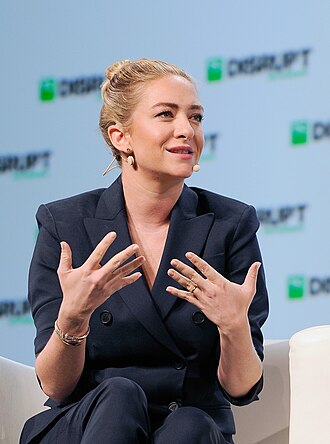
Whitney Wolfe Herd is an American entrepreneur best known as the founder and former CEO of Bumble, the dating app that distinguished itself by requiring women to make the first move in heterosexual matches — a design choice that fundamentally reoriented the experience of online dating for millions of users and established Bumble as one of the most successful consumer technology companies in the world. Before founding Bumble, she was a co-founder of Tinder, which she departed following a widely publicized lawsuit alleging harassment. Her journey from Tinder to Bumble and ultimately to a successful IPO represents one of the most compelling entrepreneurial narratives in the technology industry’s recent history. As of 2026, Whitney Wolfe Herd’s estimated net worth is $500 million – $1 billion.
Walk Through the Article
Quick Answer: Whitney Wolfe Herd Net Worth 2026
| Net Worth | $500 million – $1 billion |
|---|---|
| Full Name | Whitney Wolfe Herd |
| Born | July 1, 1989 |
| Nationality | American |
| Known For | Founder of Bumble, women-first dating app, youngest female CEO to take company public |
Early Life and Education
Whitney Wolfe Herd was born on July 1, 1989, in Salt Lake City, Utah. She attended Southern Methodist University in Dallas, Texas, where she studied international studies and demonstrated early entrepreneurial instincts by founding a charity that sold bamboo tote bags to support areas affected by the BP oil spill — a venture that gave her early exposure to the intersection of purpose and commerce that would characterize her later work.
Her trajectory toward technology entrepreneurship was not linear — she did not study computer science or engineering — but her ability to identify consumer needs and translate them into product features proved more valuable than technical expertise in the early social mobile era, when user experience and brand positioning were often more decisive than engineering sophistication.
Tinder and Departure
Whitney Wolfe Herd was among the early team members at Tinder, playing a central role in marketing the app during its crucial launch phase, particularly its viral spread through university campuses. Her contribution to Tinder’s early growth was significant, and she held the title of co-founder before departing the company in 2014. Her departure was followed by a lawsuit against Tinder and its parent company IAC alleging sexual harassment and a hostile work environment. The lawsuit settled in 2014 for a reported sum that has not been fully disclosed publicly.
The experience, while painful, provided the motivation for her next venture — a dating app that put women in control of the first move, specifically designed to address the dynamics of aggression and power imbalance that she had experienced and observed in online dating environments.
Founding Bumble
Whitney Wolfe Herd founded Bumble in 2014 in partnership with Andrey Andreev, the founder of the dating platform Badoo, which provided initial infrastructure and investment. The core innovation of Bumble — requiring women to send the first message in heterosexual matches — was immediately distinctive in the crowded online dating market and resonated strongly with users who were frustrated by the dynamics of other platforms. The app grew rapidly, expanding beyond romantic matching to include Bumble BFF for platonic connections and Bumble Bizz for professional networking.
Wolfe Herd guided Bumble through a period of rapid growth, attracting additional investment and building a brand identity centered on female empowerment that differentiated it meaningfully from competitors. Her leadership style and the values she embedded in Bumble’s culture — including policies around content moderation and user safety that went further than industry standards — reflected a genuine commitment to the problem she set out to solve.
IPO and Industry Recognition
Bumble went public on the Nasdaq in February 2021, with a valuation of approximately $13 billion at its IPO. Whitney Wolfe Herd became the youngest woman to take a company public in the United States and one of the few female founders to achieve a tech unicorn IPO — a milestone that attracted significant media attention and positioned her as a symbol of female entrepreneurship in an industry that has historically been dominated by men.
The IPO price later declined substantially as technology valuations corrected during 2022, but the fundamental achievement of building a company with tens of millions of users and taking it public remained a defining career milestone. Wolfe Herd later stepped down as CEO while remaining involved with the company.
Net Worth and Financial Position
Whitney Wolfe Herd’s estimated $500 million to $1 billion net worth reflects her equity stake in Bumble, which was valued substantially at IPO, as well as income from her years of leadership at the company. The fluctuation in Bumble’s stock price post-IPO means that the precise value of her stake has varied significantly with market conditions, but even at reduced valuations, her position represents extraordinary wealth generated through entrepreneurship.
Personal Life and Advocacy
Whitney Wolfe Herd is married to Michael Herd, an oil heir from Texas, and the couple have children together. She has been an outspoken advocate for addressing harassment and hostile behavior in digital spaces and has spoken extensively about the gendered dynamics of the technology industry. Her journey — from experiencing harassment at one of the most successful tech startups to building and taking public a company explicitly designed to address those dynamics — has made her one of the most compelling voices in ongoing conversations about gender equity in the technology industry.
Frequently Asked Questions
Who founded Bumble?
Whitney Wolfe Herd founded Bumble in 2014. She previously served as a co-founder of Tinder before departing that company and launching Bumble with the design principle that women should make the first move in heterosexual matches.
What makes Bumble different from Tinder?
Bumble’s defining feature is that in heterosexual matches, only women can initiate conversations — a design choice intended to shift the power dynamics of online dating and reduce unwanted contact. The app has also expanded to include non-romantic networking features.
Is Whitney Wolfe Herd still at Bumble?
Whitney Wolfe Herd stepped down as Bumble’s CEO while remaining a significant stakeholder in the company she founded. She took Bumble public in 2021, becoming the youngest woman to lead a company through an IPO in the United States.
Also Read:
Bumble’s Female-First Innovation & Mission
Whitney Wolfe Herd’s founding of Bumble represented a deliberate reimagining of dating app dynamics around gender equity and female empowerment. Having previously co-founded Tinder before leaving the company amid conflicts, Wolfe Herd launched Bumble in 2014 with a revolutionary concept: women would initiate conversations, giving them agency and control over their dating experience. This innovation responded to widespread complaints about harassment and unsolicited messages that plagued existing dating platforms. Bumble’s mechanics—requiring women to message first within 24 hours—created a fundamentally different energy and user experience than male-dominated platforms. Wolfe Herd’s insistence on centering women’s safety and preferences wasn’t merely a marketing angle; it reflected her belief that dating platforms should empower rather than exploit users. The company’s growth from a mobile app to a multi-billion-dollar platform validated her thesis that there was enormous market demand for alternatives that respected women’s autonomy.
Leadership, Culture & Return as CEO
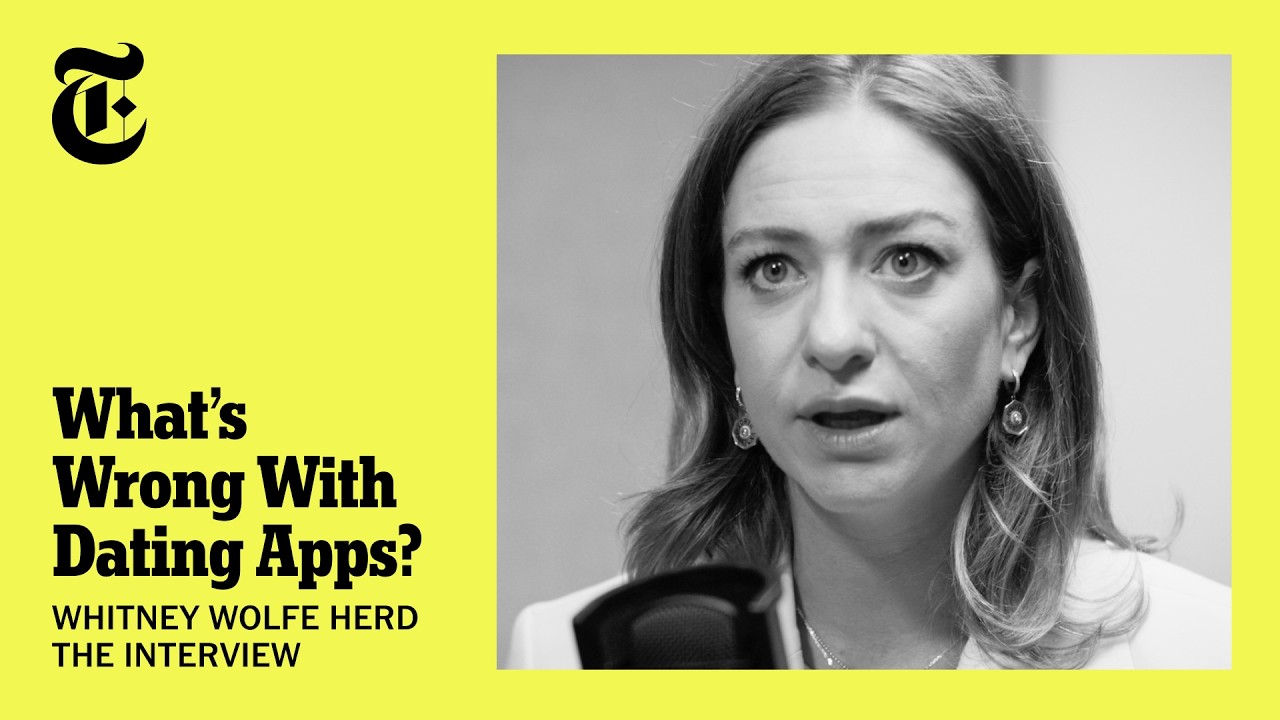
Whitney Wolfe Herd’s return to active leadership as Bumble CEO in March 2025 marked another significant chapter in her entrepreneurial journey. Her approach to leadership emphasized company culture, user wellbeing, and long-term value creation over short-term metrics optimization. Her interviews on platforms like TED and the New York Times’ ‘The Interview’ podcast demonstrated her ability to articulate a vision for dating and connection that transcended typical startup narratives. Wolfe Herd has been vocal about the responsibilities platforms bear toward their users, particularly regarding safety, representation, and algorithmic fairness. Her public advocacy for women’s empowerment extended beyond Bumble’s business model to broader cultural commentary on gender roles, economic opportunity, and social change. Her return to the CEO role signals her deep commitment to Bumble’s mission and her confidence in the company’s potential to continue reshaping how people connect globally.