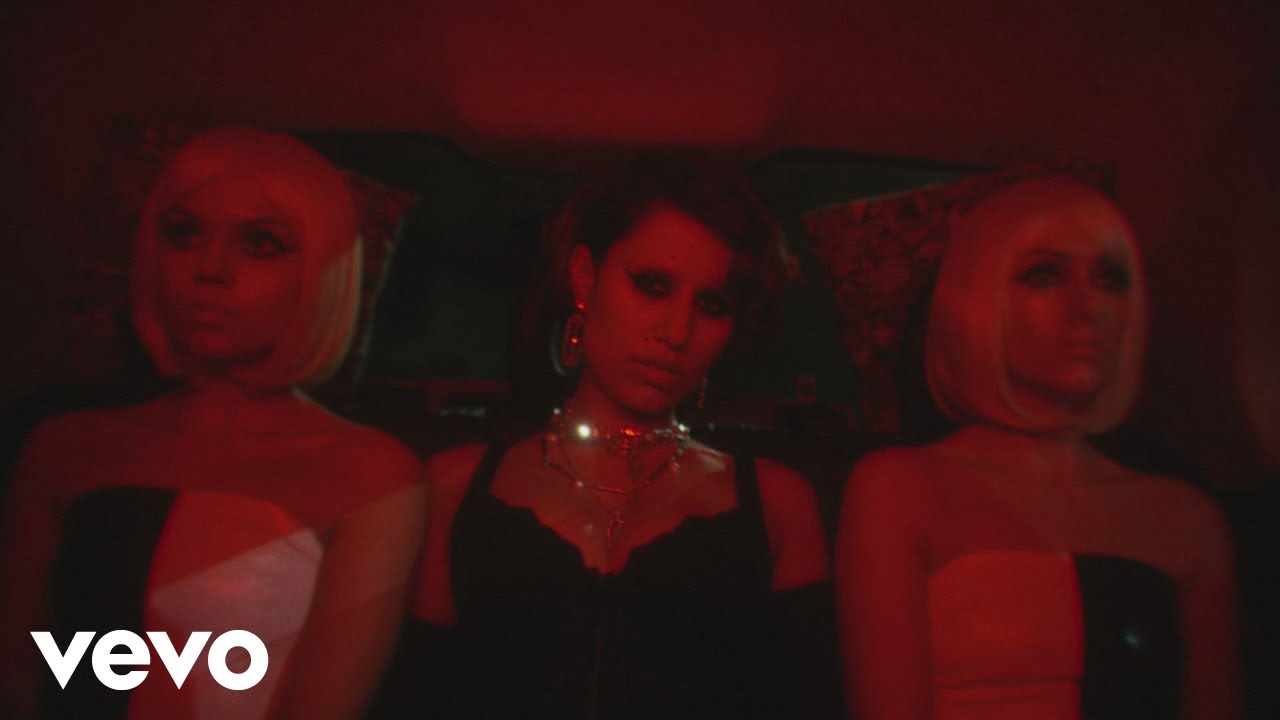
Raye is a British singer-songwriter who transformed a difficult period of public dispute with her former record label into one of the most celebrated independent artistic comebacks in recent British music history. Born Rachel Agatha Keen in London, she spent years signed to a major label that repeatedly delayed and ultimately shelved her debut album before she publicly freed herself from the contract and released her debut entirely independently. The resulting album, My 21st Century Blues, became a critical and commercial triumph that earned her six BRIT Award nominations — the most ever for a solo artist in a single year — and confirmed her status as one of Britain’s most gifted songwriters and performers. As of 2026, Raye’s estimated net worth is $3–7 million, reflecting both her commercial breakthrough and the substantial streaming royalties from her independently released catalog.
Walk Through the Article
Quick Answer: Raye Net Worth 2026
| Net Worth | $3–7 million |
|---|---|
| Real Name | Rachel Agatha Keen |
| Born | October 4, 1997 (age 28) |
| Nationality | British |
| Known For | Escapism, My 21st Century Blues, BRIT Award nominations |
Early Life and Background
Rachel Agatha Keen was born on October 4, 1997, in Tooting, South London, and grew up in a family with diverse musical influences that contributed to her eclectic songwriting sensibility. She showed exceptional musical talent from childhood, developing both vocal abilities and songwriting skills that eventually attracted the attention of major label scouts while she was still a teenager. Her signing to Polydor Records at 17 seemed to represent the beginning of a conventional industry career trajectory — a talented artist given the resources and platform to develop her sound for a mainstream audience.
Instead, her years at Polydor became defined by creative frustration and institutional obstruction. She wrote hit songs for other artists — contributing to tracks that achieved significant chart success — while her own debut album was repeatedly delayed and ultimately shelved by a label that seemed unable or unwilling to commercialize her distinctive artistic vision. The period was professionally and personally difficult, but it forced her to develop songwriting skills and emotional depth that would eventually become the foundation of her independent breakthrough. The songs she wrote during those years of frustration, delayed releases, and creative compromises would ultimately fuel some of the most emotionally direct material on My 21st Century Blues.
Her decision to publicly break from Polydor in 2021 — announcing on social media that she was leaving and explaining the creative constraints that had prevented her debut album from reaching listeners — generated enormous public and industry attention. The candor of her statement, and the subsequent groundswell of support from fans, fellow artists, and music industry professionals who had witnessed the way major labels frequently treat developing artists, created a moment that was both personally cathartic and commercially significant. She entered her independent career with a fanbase primed to support her and a story that made her upcoming release genuinely anticipated.
My 21st Century Blues and BRIT Award Success
My 21st Century Blues, released independently in 2023, fulfilled and exceeded every expectation that her complicated path to it had generated. The album’s emotional directness — drawing on her experiences of heartbreak, industry exploitation, sexual violence, addiction, and eventual self-reclamation — struck listeners as among the most honest and powerful confessional songwriting to emerge from British music in years. Songs like “Escapism,” “Ice Cream Man,” “Hard Out Here,” and “Buss It Down” demonstrated her range across R&B, jazz, blues, and pop while maintaining a cohesive emotional journey that rewarded listening to the album as a complete work.
The BRIT Award nominations — six in a single year, breaking the record for most nominations for a solo artist — validated critical and public enthusiasm with formal industry recognition. The nominations, and her subsequent wins, also carried a particular symbolic weight given that she came entirely on the strength of music she had released independently, without the commercial infrastructure and promotional investment that major labels typically deploy to generate awards consideration. Her success made a powerful statement about the commercial viability of artistic integrity — that compromising a creative vision in pursuit of mainstream palatability was not, in fact, necessary for achieving mainstream success.
Her live performances during the album’s promotional campaign confirmed that the recorded music’s emotional power translated into genuinely compelling concert experiences. She performed with the kind of raw emotional investment that distinguishes artists who are genuinely communicating personal experience from those who are technically competent but emotionally detached from their material. These performances built the kind of audience loyalty that extends beyond single-album cycles into sustained long-term support.
Net Worth and Income Sources
Raye’s $3–7 million net worth comes primarily from streaming royalties from My 21st Century Blues and its hit singles — particularly “Escapism,” which became a massive global hit — touring revenue from her headline shows, and brand partnership income that has grown significantly with her elevated profile. Because she released My 21st Century Blues independently, she retains a larger share of its revenue than major label artists typically receive, meaning that the album’s commercial success has generated substantially more financial return for her than equivalent sales and streams would have under a traditional label deal.
Her songwriting credits — including contributions to tracks by other artists during her years at Polydor — generate ongoing publishing income that supplements her recording and touring revenue. As her own catalog continues to generate streaming activity and she develops subsequent releases, her income streams will multiply and her net worth trajectory is strongly upward. The combination of her proven hit-making ability, her independent ownership of her catalog, and her demonstrated audience loyalty creates a particularly strong financial foundation for her continued development.
Personal Life and Advocacy
Raye has been notably candid about her personal experiences, including discussing the sexual violence she experienced and the mental health challenges she navigated during her difficult years at Polydor. This openness, while personally courageous, has also connected her to fans who see her own experiences reflected in her music and public persona. She has become an advocate for artists’ rights within the music industry, using her platform to discuss the structural power imbalances that allow labels to delay and shelve music while preventing artists from releasing independently.
Frequently Asked Questions
What is Raye’s real name?
Raye’s real name is Rachel Agatha Keen. She uses her nickname Raye as her professional stage name throughout her music career.
Why did Raye leave her record label?
Raye publicly departed from Polydor Records in 2021 after years of creative frustration, including the repeated delay and ultimate shelving of her debut album. She announced her departure on social media, explaining that the label had prevented her from releasing her music and pursuing her creative vision independently.
How many BRIT Awards was Raye nominated for?
Raye received six BRIT Award nominations in 2024 for My 21st Century Blues, the most ever for a solo artist in a single year, recognizing her extraordinary breakthrough with her independently released debut album.
What is Raye’s biggest song?
“Escapism,” featuring 070 Shake, became Raye’s biggest commercial hit, reaching number one in the United Kingdom and achieving substantial international streaming success as part of her breakthrough album My 21st Century Blues.
Also Read:
Mercury Prize & Critical Recognition
RAYE’s Mercury Prize win for ‘My 21st Century Blues’ represented a long-awaited formal recognition of an artist whose talent had been evident for years while industry circumstances delayed her breakthrough. The award validated both her artistic vision and her decision to self-release the album after extricating herself from a record deal that had kept her producing hits for others while delaying her own album. RAYE’s acceptance speech, in which she spoke openly about her struggles and mental health journey, resonated with audiences who appreciated her vulnerability and honesty. The Mercury Prize recognition was followed by international critical acclaim, positioning her album as one of the defining works of its year. Her Grammy nominations further extended her global profile, introducing her to American audiences who may not have followed British music closely. The critical consensus recognized ‘My 21st Century Blues’ as a cohesive artistic statement that transcended its commercial success.
Artistic Independence & Industry Impact
RAYE’s decision to publicly leave her record label and release music independently transformed her from a successful behind-the-scenes songwriter into a cultural symbol of artist empowerment in the streaming era. Her open discussion of how the label system had delayed her artistic development, combined with her subsequent independent success, contributed to broader industry conversations about power dynamics and creative control. RAYE’s songwriting catalogue—she has written hits for major artists across multiple genres—demonstrates technical mastery that underpins her own work. Her ability to craft emotionally resonant songs that work commercially without sacrificing artistic integrity reflects years of craft development. As an independent artist, RAYE has maintained creative control over every aspect of her presentation, from music to visual identity to touring, creating a coherent artistic world that reflects her authentic vision. Her success has inspired other artists to consider whether independence might offer more sustainable creative fulfillment than traditional label relationships.