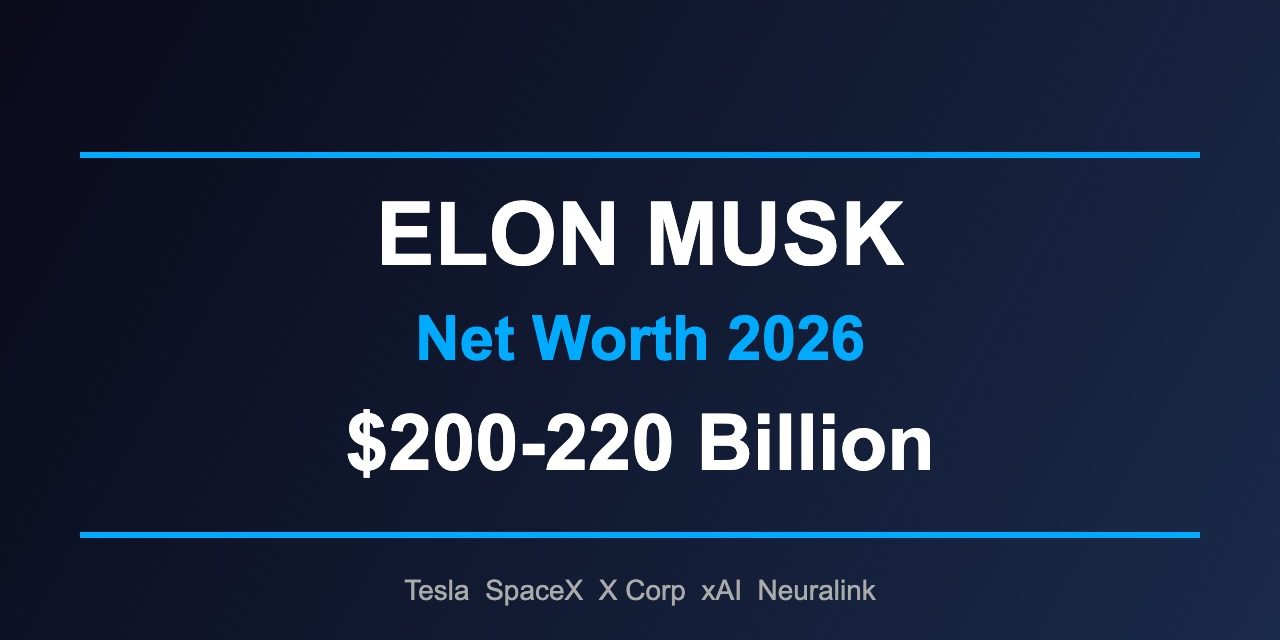
The trillion-dollar barrier has finally been broken. With the record-breaking 2026 public listing of SpaceX, Elon Musk became the world’s first trillionaire — a milestone once thought decades away. The obvious next question: who follows him into the $1 trillion club? Below are the billionaires most often named by analysts as the likeliest candidates, along with what the major projection studies actually say about the timeline.
A quick caveat: net-worth figures move daily with stock prices, and “who’s next” projections are estimates, not guarantees. The numbers below reflect reported 2026 estimates and widely cited forecasting studies, not certainties. With that in mind, here are the contenders.
Walk Through the Article
What It Actually Takes to Reach $1 Trillion
To put the scale in perspective, $1 trillion is a thousand billion. A person earning $100,000 every single day since the year 1000 still would not have accumulated that much. No one reaches it through salary, real estate, or even a diversified investment portfolio. Every realistic candidate shares one feature: a very large ownership stake in a single company whose market value is growing at an extraordinary rate. That is why the list is dominated by tech founders and a handful of emerging-market industrialists rather than bankers, athletes, or entertainers.
It also explains why the timing is so uncertain. Because these fortunes are concentrated in one or two stocks, a single market swing can add or erase a hundred billion dollars in weeks. Beyond the names below, watch for outside contenders such as Oracle’s Larry Ellison — estimated near $190 billion in 2026 — and India’s Mukesh Ambani, both of whom could climb quickly if their core businesses keep expanding. The race is less a fixed ranking than a leaderboard that reshuffles with every earnings season.
1. Gautam Adani — The Most-Cited “Number Two”
Indian industrialist Gautam Adani, chairman of the Adani Group, is the name that appears most consistently as the projected second trillionaire. His conglomerate spans ports, energy, infrastructure, and green power — sectors with enormous room to scale in a fast-growing Indian economy. A widely cited Informa Connect analysis projected Adani could reach trillionaire status around 2028, though a sharp 2023 sell-off in his companies’ shares showed how volatile that path can be.
2. Jensen Huang — Riding the AI Boom
Few fortunes have grown as fast as that of Jensen Huang, co-founder and CEO of Nvidia. As the dominant supplier of the chips powering the artificial-intelligence boom, Nvidia’s surging valuation has pushed Huang’s net worth to roughly $154 billion by Forbes’s 2026 estimate. If AI demand keeps compounding, several forecasts place Huang among the earliest to challenge the trillion-dollar mark.
3. Mark Zuckerberg — Meta’s AI Pivot
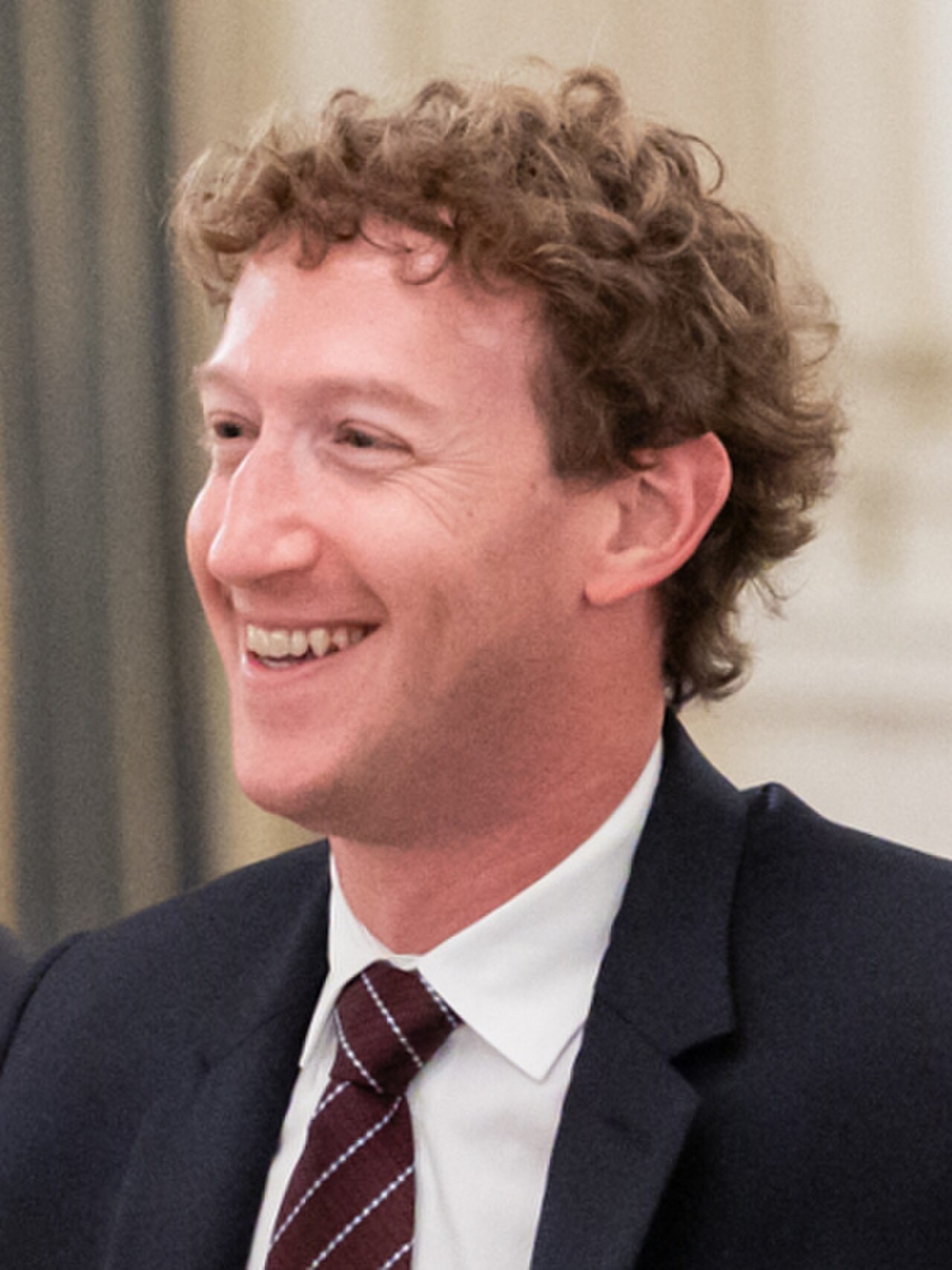
Meta co-founder Mark Zuckerberg remains a fixture in the top tier of the world’s richest, buoyed by Meta’s advertising machine and heavy investment in AI and the metaverse. The Informa Connect study projected Zuckerberg could join the trillionaire club around 2030. Because the vast majority of his wealth is tied to Meta stock, his timeline rises and falls almost entirely with the company’s share price.
4. Bernard Arnault — The Luxury Titan
Bernard Arnault, chairman of LVMH and the force behind Louis Vuitton, Dior, and dozens of other luxury houses, has repeatedly ranked among the two or three richest people alive, with a 2026 net worth estimated near $233 billion. Forecasts have placed his potential trillionaire date around 2029–2030. Unlike the tech founders, Arnault’s wealth rests on a diversified portfolio of global luxury brands rather than a single volatile stock.
5. Jeff Bezos — Amazon and Blue Origin
Amazon founder Jeff Bezos was, for years, the world’s richest person, and he remains firmly in the top tier. Between his remaining Amazon stake and his space company Blue Origin, several projection studies have pegged Bezos as a likely trillionaire around 2030. His challenge is that he has steadily sold and donated Amazon shares, which slows the pure compounding that drives these forecasts.
6. Larry Page and Sergey Brin — The Google Founders
Google co-founders Larry Page and Sergey Brin have both surged up the rankings on the strength of Alphabet’s stock and the AI rally. Forbes’s 2026 list placed Page second in the world at roughly $257 billion. Earlier forecasting work suggested both founders could approach trillionaire territory in the early 2030s, making them genuine long-term contenders even if they are not the first to cross the line.
7. Sundar Pichai — The Operator’s Path
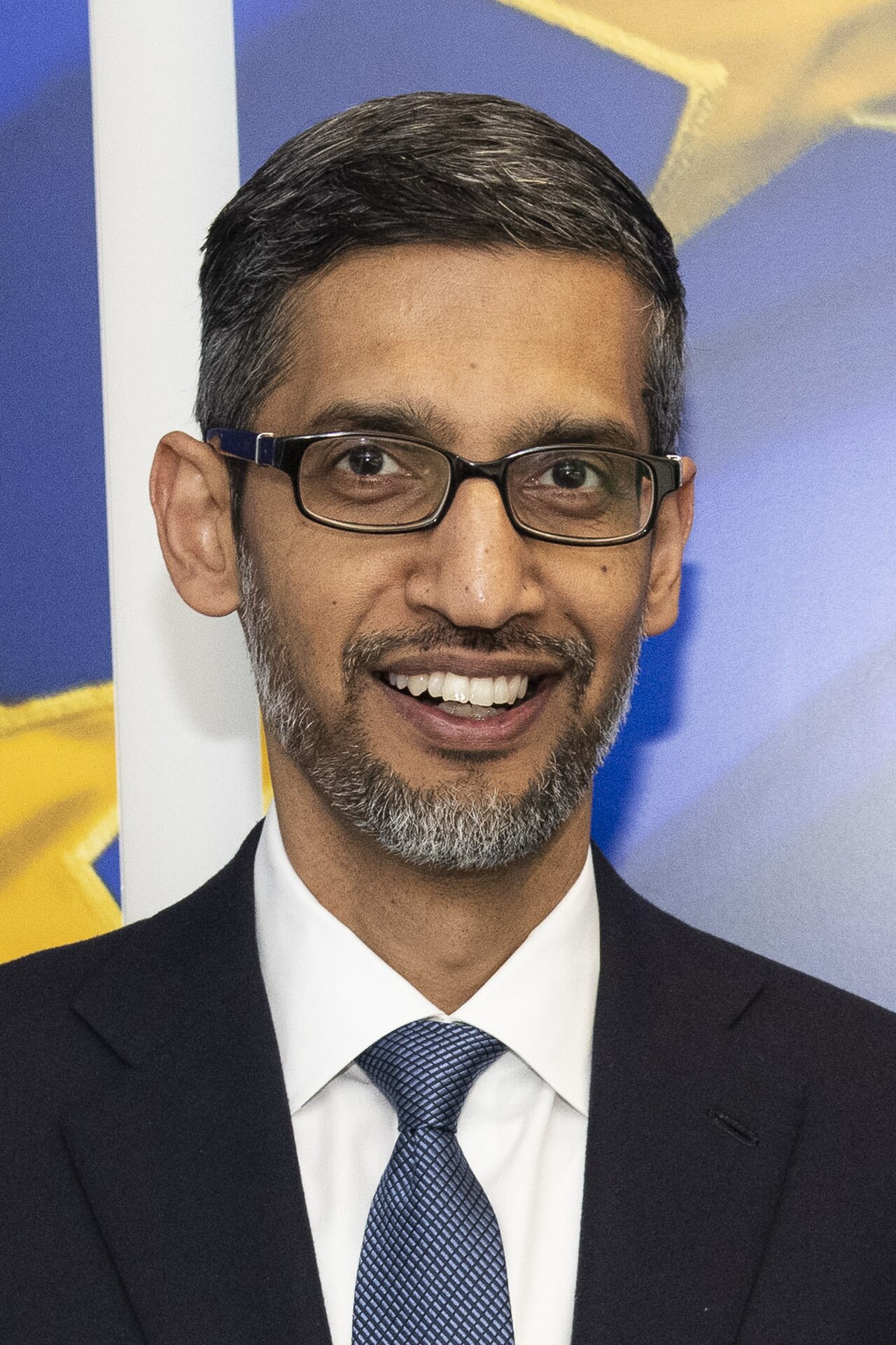
Unlike the founders above, Alphabet CEO Sundar Pichai built his wealth as a hired executive rather than a company founder, so his net worth is a fraction of theirs. He is not a realistic candidate for the first trillionaire, but he illustrates an important point: executive pay, even at the very top, rarely produces founder-level fortunes. The trillion-dollar club is built on concentrated ownership, not salaries.
The Wildcards: Gates, Buffett, and Trump
Three of the most-searched billionaires in the world are not really in the trillionaire race — and understanding why is instructive. Microsoft co-founder Bill Gates would likely be a multi-hundred-billionaire or more had he not pledged to give away the vast majority of his fortune through the Gates Foundation; his philanthropy deliberately caps his net worth. Warren Buffett, one of history’s greatest investors, has similarly committed to donating almost all of his Berkshire Hathaway shares, steadily reducing his personal total. And while Donald Trump is among the most famous billionaires alive, his wealth — concentrated in real estate and media ventures — is measured in billions, not the hundreds of billions a trillionaire trajectory requires.
So When Will the Next Trillionaire Arrive?
Projection studies disagree on the exact order, but they cluster around a similar window. A widely cited Informa Connect analysis projected Adani, Jensen Huang, and Indonesian magnate Prajogo Pangestu reaching the mark around 2028, with Zuckerberg, Arnault, and Nike’s Phil Knight following around 2030. An earlier Approve.com study floated names including Gautam Adani, Zhang Yiming of ByteDance, Mukesh Ambani, Jeff Bezos, and the Google founders across the late 2020s and early 2030s. The common thread: the next trillionaire is most likely to come from either AI-driven tech or a fast-scaling emerging-market conglomerate — and to arrive within roughly five years of Musk.
Whoever it is, the same rule applies that made Musk first: the trillion-dollar club is built on enormous, concentrated ownership of a company whose value is growing exponentially. Salaries, real estate, and even diversified portfolios rarely get there. The next name on the list will almost certainly be a founder who held on to a very large slice of something the market suddenly decided was worth a fortune.
For now, the smart money watches three forces above all: the trajectory of the AI boom that is minting Nvidia’s value, the continued rise of India’s industrial giants, and the share prices of the big-tech founders who already sit just a few hundred billion dollars short. Whichever of those accelerates fastest is likely to crown the world’s second trillionaire.
Frequently Asked Questions
Who was the world’s first trillionaire?
Elon Musk is widely reported as the world’s first trillionaire, with his fortune crossing the $1 trillion mark around the record-breaking 2026 public listing of SpaceX, alongside his stakes in Tesla, xAI, and Neuralink.
Who is most likely to be the next trillionaire after Elon Musk?
Analyst projections most often name Gautam Adani and Nvidia’s Jensen Huang as the likeliest to follow Musk, potentially around 2028, with Mark Zuckerberg and Bernard Arnault frequently projected for around 2030.
Will Jeff Bezos become a trillionaire?
Several forecasting studies have projected Jeff Bezos could reach trillionaire status around 2030, based on his Amazon stake and Blue Origin. However, his ongoing share sales and large charitable donations slow the compounding that drives those projections.
Could Mark Zuckerberg be a trillionaire?
Yes, according to the Informa Connect projection, which placed Zuckerberg around 2030. Because almost all of his wealth is tied to Meta stock, his timeline depends heavily on the company’s share price and AI investments.
Why isn’t Bill Gates on track to be a trillionaire?
Bill Gates has pledged to give away the vast majority of his wealth through the Gates Foundation, which deliberately caps his net worth. Without that philanthropy, his fortune would likely be far larger.
Is Bernard Arnault going to be a trillionaire?
Arnault, the chairman of luxury group LVMH, has been projected to potentially reach the trillion-dollar mark around 2029–2030. His wealth is unusually diversified across many luxury brands rather than a single stock.
How accurate are trillionaire projections?
They are estimates, not guarantees. These forecasts extrapolate from recent wealth growth rates, which can change dramatically with stock-market swings, regulation, and business performance. Treat specific dates as informed guesses rather than certainties.